Florida just can’t catch a break when it comes to invasive species. It feels like every week there’s a new headline: some animal is showing up where it shouldn’t and causing chaos in the ecosystem.
Florida actually leads the country in invasive animal species. The only state ahead in total invaders, plants included, is California. Scientists estimate Florida has over 600, and the number can edge up closer to 650, depending on how you count and which groups you focus on.
Big port cities and subtropical climates become hotspots for these outsiders. Florida’s subtropical and tropical mix turns it into a perfect vacation home for creatures from all over the world. Then you’ve got Miami and other busy ports, which serve as front doors for plant and animal imports; sometimes those imports find their way past customs and out into the wild.
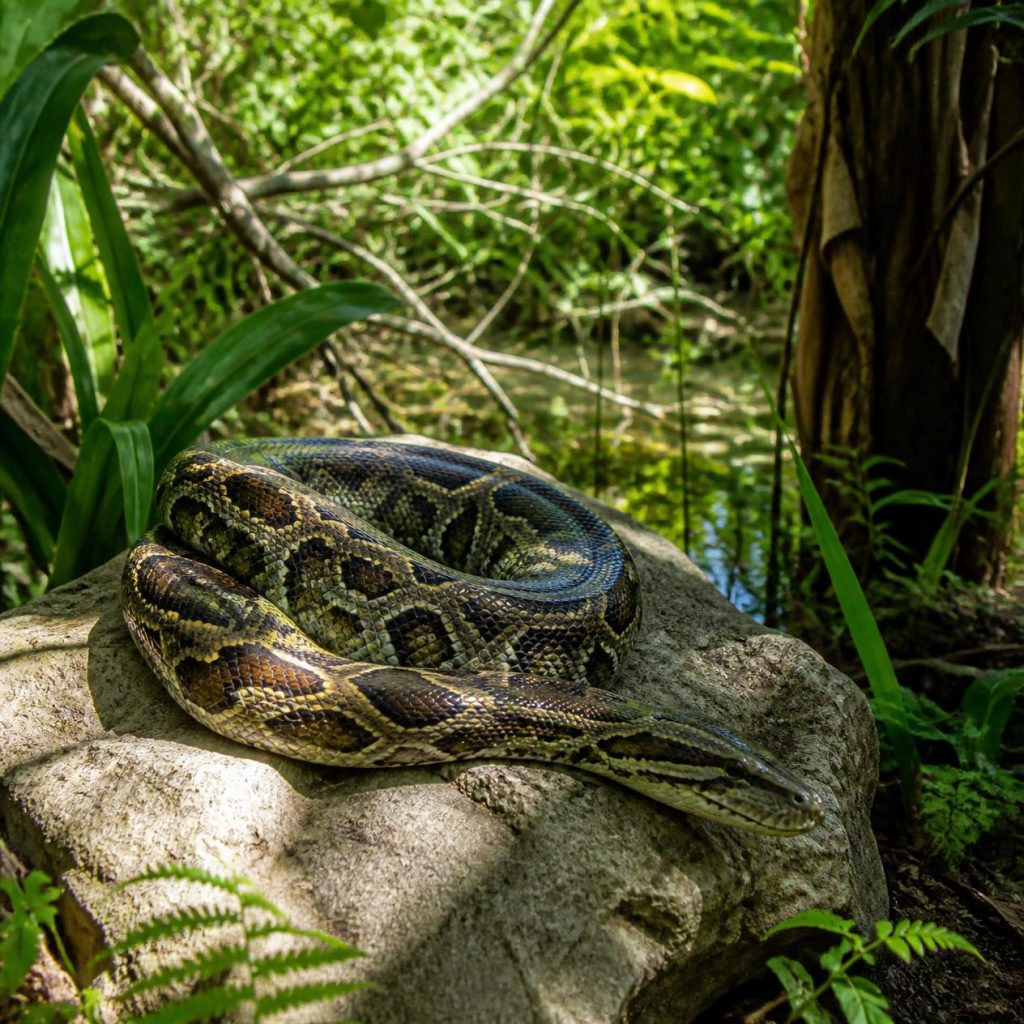
But there’s another twist: the reptile trade. Florida’s love for exotic pets means plenty of lizards and snakes get shipped in, and sometimes escape or get released, intentionally or not. The Burmese python is the poster child for this mess. It now slithers through the Everglades, gobbling up everything from rabbits to birds (even the occasional alligator), wrecking the natural food web. There’s even a Python Challenge currently underway, from July 10 to July 19, 2026.
Florida isn’t alone in suffering the consequences: Hawaii grapples with huge numbers of invasives too, especially when you look at the impact per person and the risk to unique native species. Thousands of aquatic and land invaders overrun California. But Florida holds the record for sheer numbers of exotic animals going wild.
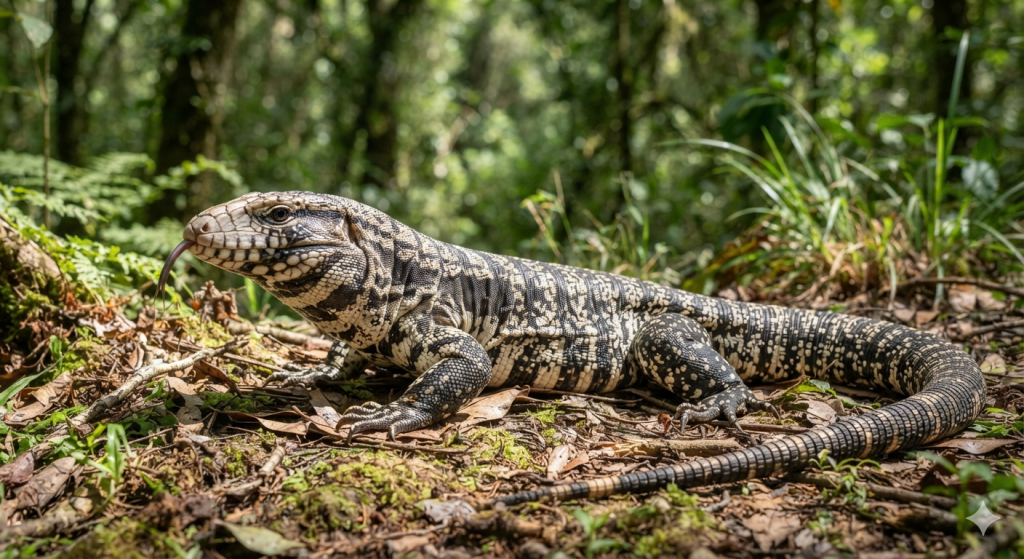
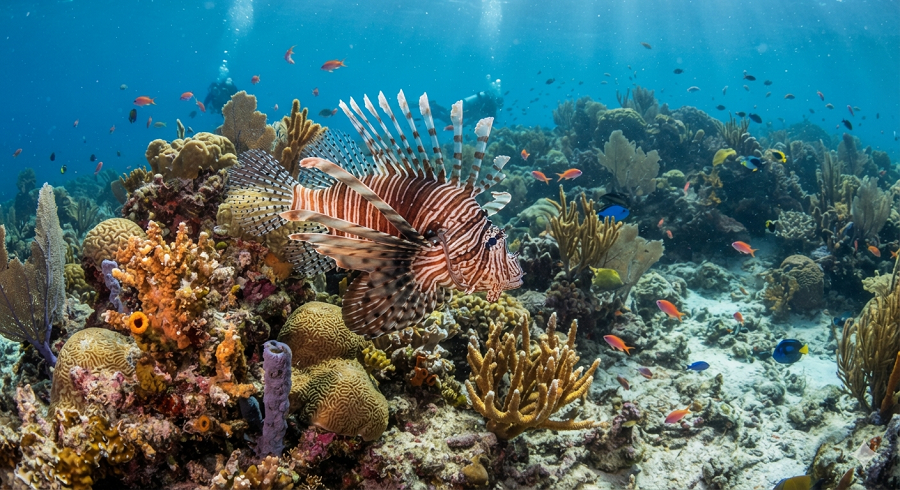
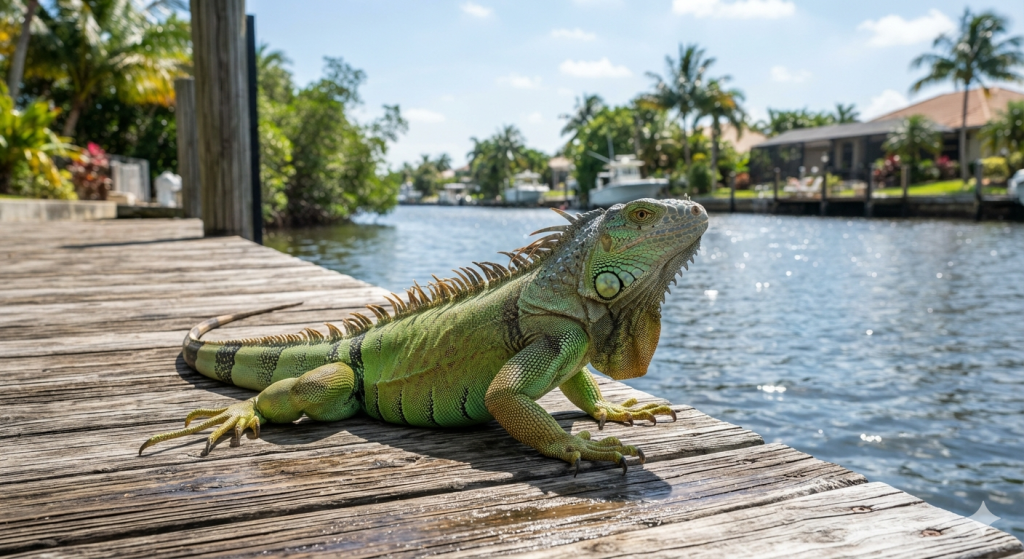
The list of invasive species in Florida isn’t short. There’s the Burmese python, of course, but also the Argentine black and white tegu, a chunky, fast-breeding lizard that raids eggs and poultry farms, and the green iguana, another imported pest known for tearing up gardens, digging holes that cause the ground to erode, and damaging buildings and roads. Off the coast, lionfish sweep along coral reefs, eating up native fish and pushing fragile ecosystems closer to collapse.
It’s a constant battle, and one Florida knows all too well.