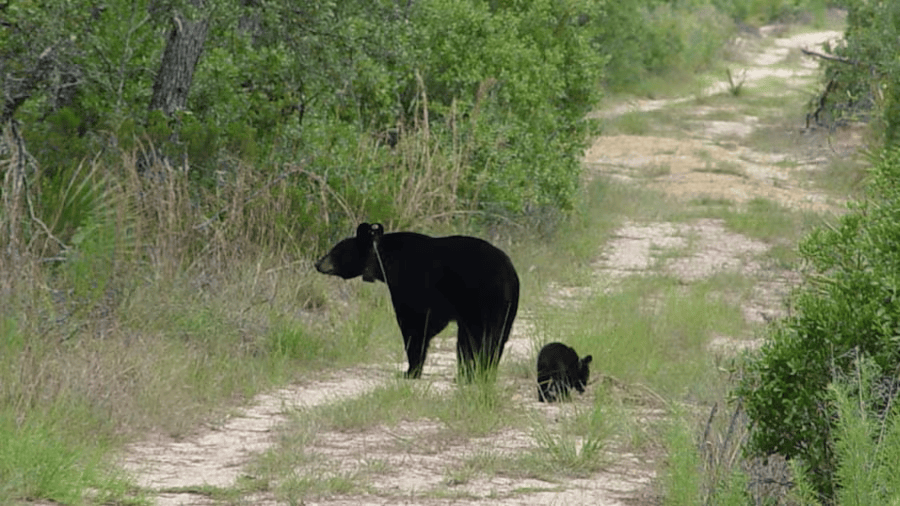
Wildlife officials are asking Floridians to stay BearWise, especially now as young black bears start showing up in neighborhoods. Their main advice? Lock up food, trash, and pet dishes, and give these animals plenty of room.
It’s not just a rural thing anymore. With new developments spreading everywhere in Florida, wildlife like panthers, eagles, Scrub Jays, alligators, and bears often end up exploring people’s yards and sometimes even their pools or front steps. These meetings are happening more often.
So what should you do if you spot a bear nearby?
Every year, the Florida Fish and Wildlife Conservation Commission (FWC) reminds people how to handle bear activity. You could run into young bears almost anywhere right now. Stay back and never feed them, let them move on by themselves.
Here are the main BearWise tips to keep you and your neighbors safe:
– Don’t feed or approach bears under any circumstances.
– Secure garbage, recycling, and food.
– Take down bird feeders when bears are active.
– Don’t leave pet food outside.
– Clean your grill or smoker and store it properly.
– Let your neighbors know if you spot a bear.
During late spring and early summer, black bear sightings spike across Florida’s suburbs and cities. Just seeing a bear passing through isn’t a reason to panic, but easy meals, like open trash bins or bird feeders, will encourage them to stick around. Usually, if you remove the food and leave the bear alone, it’ll wander off in search of something else. And remember, it’s actually illegal in Florida to feed bears or leave food out in a way that attracts them.
About your pets: Black bears aren’t usually aggressive, but they’ll defend themselves if they feel cornered. Over half of Florida’s bear-related injuries to people involve dogs. Always leash your dog while walking, keep them on a sturdy, non-retractable leash, and pay attention to your surroundings. If you’re letting your dog out at night, flip the outside light off and on, then make some noise at the door to scare off any wildlife before you open it.
As these young bears roam, they cross more roads, which means drivers need to stay alert. Slow down, especially in the early morning or evening, and watch for bear crossing signs on rural highways. Car collisions kill about 300 bears in Florida every year. Drive carefully to help protect both yourself and the wildlife.
Need help with bear issues in your neighborhood? Find your local FWC office at MyFWC.com/Contact under “Contact Regional Offices.” If you see an injured, orphaned, or dead bear, or if you feel threatened or witness someone feeding or harming bears, call the Wildlife Alert Hotline at 888-404-FWCC (3922).
For more tips, visit MyFWC.com/Bear and download the “Guide to Living in Bear Country.” BearWise.org also has plenty of information on how to coexist with bears. Florida stands with forty-four other states in supporting the BearWise program, which teaches people how to live responsibly alongside bears. You can even help protect wildlife by buying a Conserve Wildlife license plate at WildlifeFlorida.org/CWT.