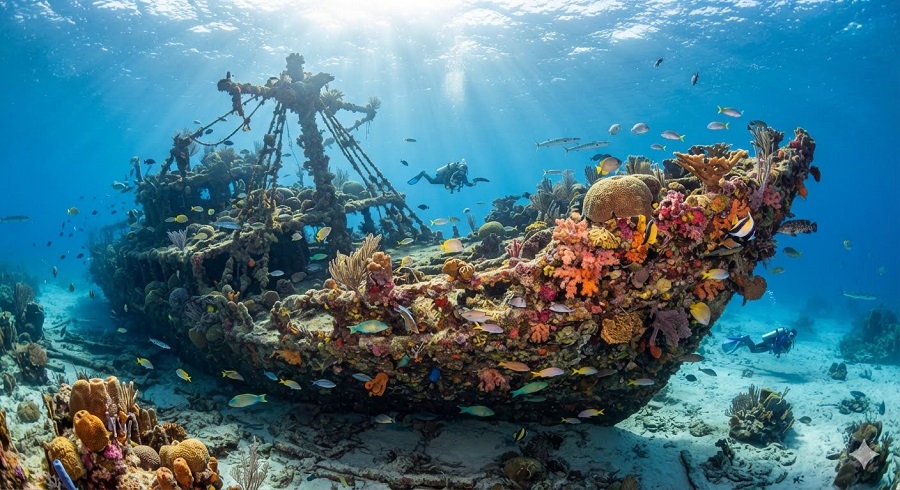
Florida leads the country with over 4,500 public artificial reefs, and thanks to a new $15 million boost, that number’s about to grow. The Florida Fish and Wildlife Conservation Commission, together with the Fish and Wildlife Foundation of Florida, has launched the Coastal Corridor Project, an ambitious effort aimed at expanding Florida’s artificial reef network.
“We’re teaming up with local organizations and governments, whether they’re running existing artificial reef programs or want to start one,” said Mike Norberg, the Coastal Corridor Project Director.
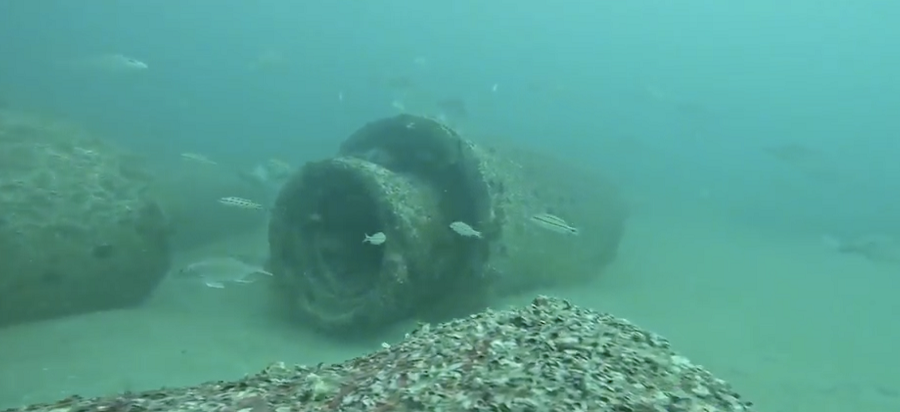
The $15 million grant earmarks most of its funds for creating new reefs by sinking ships and reef modules off the coast. The rest will help FWC shape a longer-term plan, deciding exactly where the next structures should go.
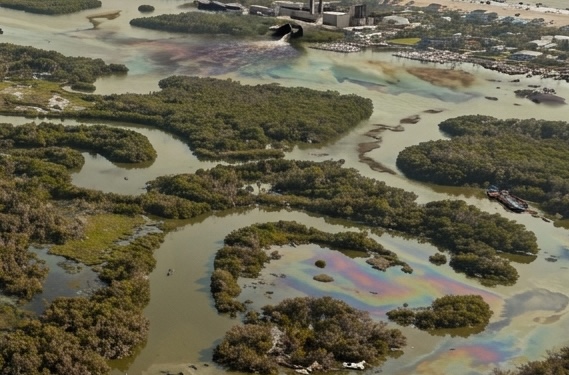
Florida’s Panhandle is already a hotspot for artificial reef projects, a status boosted by the funding that poured in after the BP Oil Spill. “In the Panhandle, we’ve seen a surge in activity. The extra funds from the spill really fueled reef deployment and habitat restoration,” Norberg explained.
Money is vital in reef construction, as Erin Graham, Coastal Resource Manager for Visit Panama City Beach, pointed out. “Getting these structures ready can be pricey. We have to remove every environmental hazard before deployment. Those costs add up fast, so new funding really helps us make sure each structure is completely clean before it hits the water.”
This fall, crews plan to sink three more vessels, adding to sites like the Black Pearl, already home to 26 different species of marine life. “The Black Pearl’s been a magnet for fish and invertebrates,” Graham said.
Visit Panama City Beach also has plans to deploy new reef modules, with the Fish and Wildlife Foundation backing those efforts.
The impact goes beyond just marine life. These artificial reefs provide fresh habitat, boost recreational fishing and diving, and pour energy into local economies. Managed by FWC and local county programs, each project turns an empty stretch of sand into a thriving underwater ecosystem.
In Southwest Florida, reefs stretch from Charlotte Harbor all the way down to the Ten Thousand Islands. Teams use everything from concrete culverts and heavy steel to specially designed reef balls. They choose sites anywhere from 2 to 30 miles offshore, always following strict permitting rules and with county programs like Charlotte County Natural Resources keeping a close watch.
Artificial reefs in the Gulf make a difference, supporting fisheries, serving as research platforms for studying water quality and red tide, and driving tourism. It’s a full-circle approach: science, recreation, and coastal economies all benefiting as Florida’s underwater world grows.