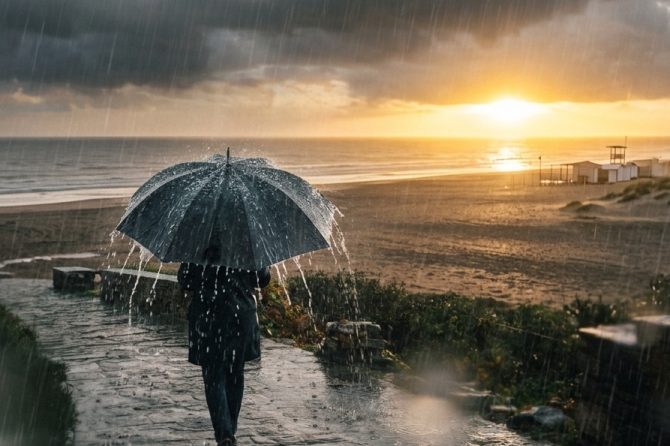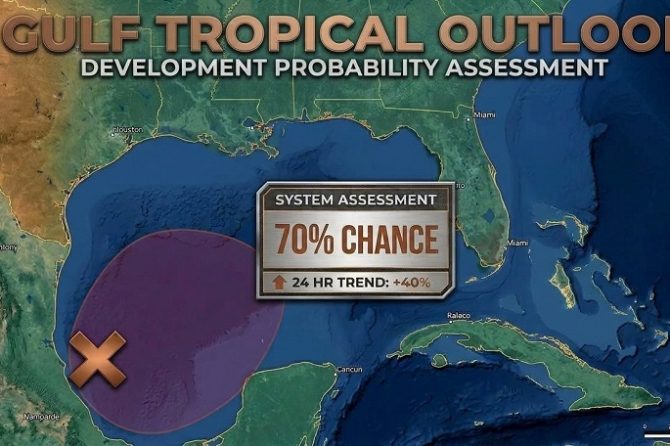
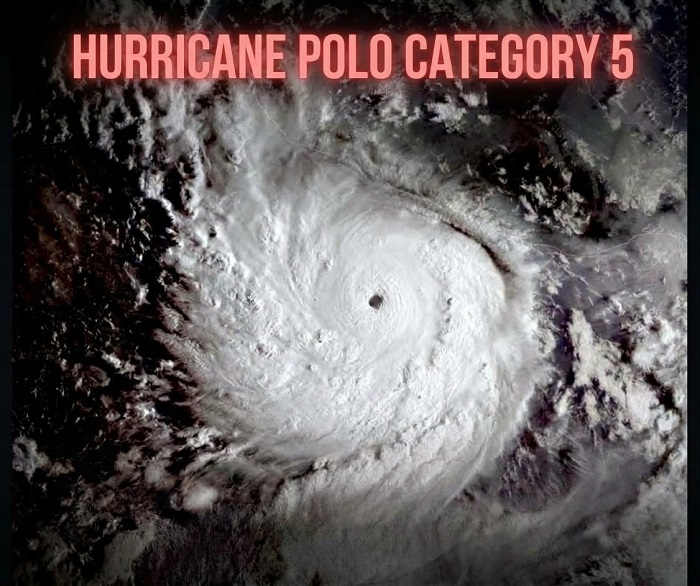
What a weekend. An odd nor’easter hit the East Coast, hurricanes hitting Mexico and Hawaii in the Pacific, and yet the Atlantic barely stirred. This season’s weather feels out of sync, and everyone’s asking: is the ‘super’ El Niño behind it all?
For Florida, forecasters are sounding the alarm: a much colder, wetter winter is almost certain, thanks to that powerful El Niño building out in the Pacific. Some meteorologists even state this is the strongest El Niño pattern they’ve ever seen. There is an expectation that Florida, especially the northeast, will experience fierce winter weather with plenty of rain, cooler days, and a spike in severe storms, including tornadoes. That sort of winter brings both relief and worry. On the one hand, drought should ease. On the other hand, people have reason to be anxious.
Right now, the state sits in the early phases of what’s classified as a moderate El Niño.
According to the National Weather Service and FSU’s Climate Center, warm Pacific waters, despite being far from Florida, can still alter the state’s winter forecast. The changes might not always look the same, but the odds shift. The weather brings increased rainfall to areas that are typically dry and decreases it in regions where rain is expected.
Florida desperately needs the rain. This year’s drought was brutal. Southwest Florida, which covers sixteen counties, saw below-average rainfall through when the wettest months should’ve been, June to September. A rainy winter could refill water supplies and avoid new restrictions.
But on the flip side, El Niño winters mean more tornadoes, especially in central and southern Florida. According to experts, every major tornado in the peninsula’s history landed during El Niño events. Consider 1998, when Central Florida saw its deadliest tornado outbreak ever, costing 42 lives. Or December 1997: Tampa got slammed with 14 inches of rain.
A wet, stormy winter means families may face more severe weather alerts, flooding, and increased utility bills. Because most Florida homes suit summer heat instead of cold or damp spells, people operate heaters, dryers, and dehumidifiers. Bills climb. There’s hope the extra precipitation finally turns things around for the parched state.