
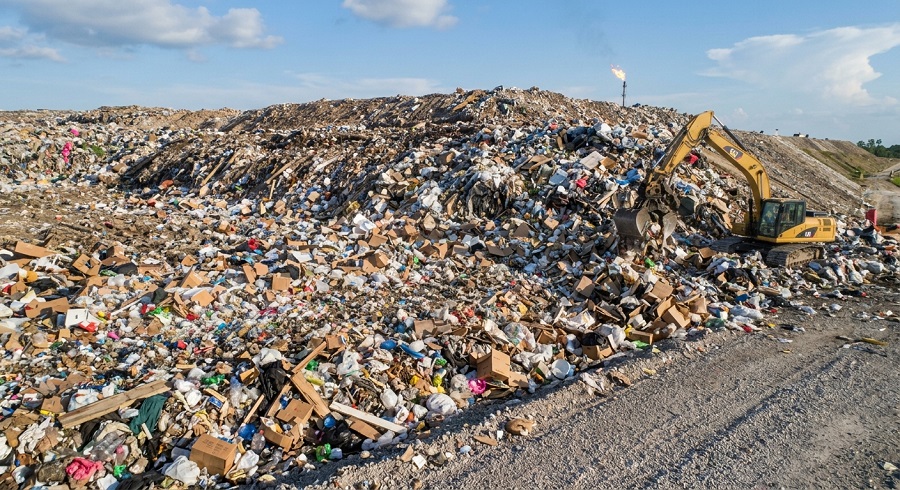
Manatee County in Florida wants to turn methane from the Lena Road Landfill into renewable fuel for buses and trucks, a $50 million effort they say could cut emissions as much as taking 5.3 million gallons of gasoline off the road annually.
This would be the first project of its type on Florida’s west coast. The county teamed up with Nopetro Energy, Johnson Controls, and Mead & Hunt to capture methane, clean it, and push it back out through the natural gas pipelines already in place. Nopetro will build and run the plant, and they’re targeting big vehicle fleets, like city buses and trucking companies, as primary customers. Compared to regular fossil fuels, Nopetro claims this methane-derived gas is better for the climate.
The partners estimate that the facility will generate enough renewable energy to cover over 4,500 homes annually. Instead of building new pipelines, the fuel will travel down the same lines as traditional natural gas. The expected impact? According to project organizers, it’s like the environmental benefit of planting 22,000 acres of forest.
Right now, the county and partners are concentrating on transitioning the initiative from blueprint to construction. Nopetro’s on the hook for the plant itself, from development through daily operations.
Renewable natural gas isn’t the only idea in play. Across the country, folks are looking for smarter ways to manage landfill pollution and waste. In Orange County, California, officials are rolling out new tech to make landfills cleaner. A manufacturer recently debuted America’s first hydrogen-powered garbage truck, and researchers in Germany’s Black Forest are turning wood waste into next-gen fuel. Other innovators have even figured out how to turn standard garbage into hydrogen for trucks and buses. While some towns like Galena, Kansas, battle landfill odors and worry about safety, new solutions keep popping up as communities tackle the challenge from different angles.