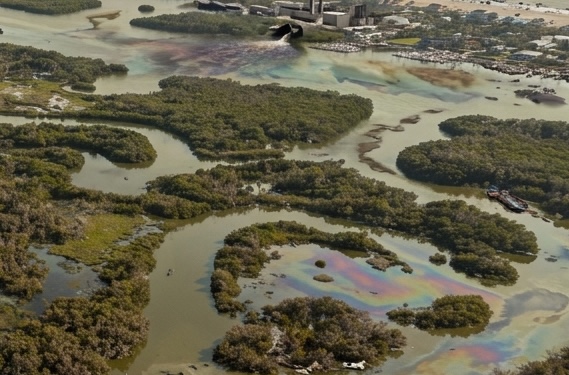

Researchers have uncovered extensive PFAS contamination in Florida’s waterways, highlighting a troubling national trend. PFAS, those so-called “forever chemicals,” don’t just stick around. They accumulate in both the environment and our bodies.
Researchers have linked them to cancers like prostate, kidney, and testicular types, and they have also connected them to high cholesterol, obesity, low birth weight, and fertility problems. These chemicals aren’t just in city streams; they turn up everywhere, from the Mississippi River down to Tiger Lake in Central Florida, and even in remote corners of the world like the Tibetan mountains.
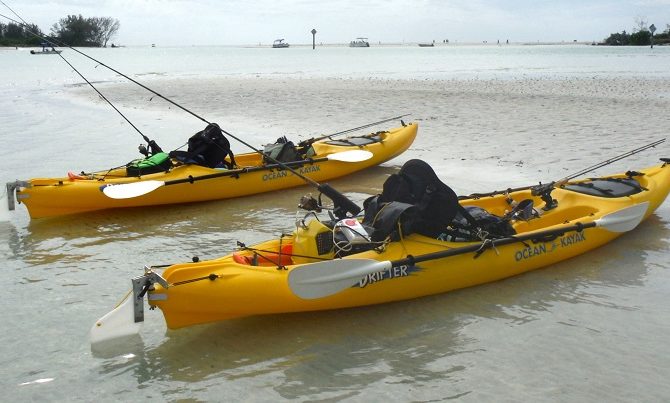
Between 2022 and 2024, groups like Environment America Research & Policy Center and the U.S. PIRG Education Fund sampled 23 Florida waterways. They found PFAS in 96 percent of them, 43, to be exact. In Tiger Lake alone, they detected 36 PFAS compounds at every single monitoring site. This lake, just south of Orlando, is popular for kayaking and fishing, which is a concern because these chemicals build up in freshwater fish. People who eat their catch, especially in low-income or rural communities, face even greater exposure, and often depend on fish to feed their families.
The problem doesn’t stay local. Nationwide, 83 percent of tested waterways had PFAS contamination. Sometimes the numbers are staggering, like a retention pond in Maine overwhelmed by firefighting foam. Sites near airports, fire training grounds, and military bases showed especially high levels.
And climate change makes all of it worse. Heavier rains from hurricanes and storms wash even more PFAS into lakes and rivers. What’s alarming is how tiny amounts, just a few parts per trillion, can pose enormous threats to both people and wildlife.
Recent state action in Florida aims to phase out sources such as aqueous film-forming foam, but the report notes the contamination is probably even more widespread than the numbers show. Many rivers and lakes have undergone no testing, and the report excludes some testing data. The real scope of the problem likely stretches far beyond what we know now.
The report calls for stronger action: stop using PFAS, block industrial discharges, and ban spreading PFAS-tainted sludge on farmland. Continued monitoring is vital, since so many waters remain unexamined. No data doesn’t mean no contamination, it just means we’re still in the dark.