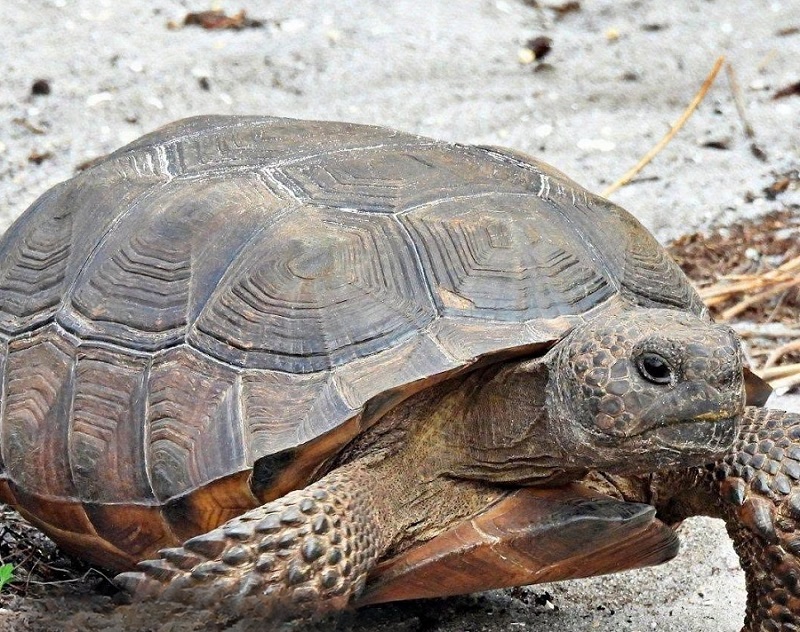
The International Union for Conservation of Nature (IUCN) has moved the gopher tortoise from “vulnerable” to “critically endangered” after researchers found its numbers have dropped by about 80% over the last 120 years.
Researchers now figure there are only around 70,000 gopher tortoises left. Projections look grim, as they warn that the population could crash to just 2,000 in the next 80 years, a stunning 98% drop over two generations.
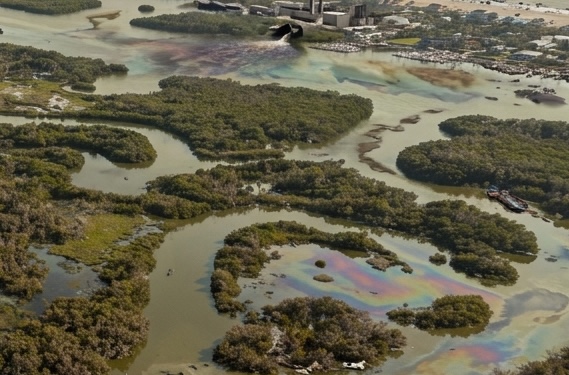
The chief reason for this decline isn’t a mystery. Overdevelopment and urban sprawl have devoured most of the longleaf pine habitat these tortoises rely on. That habitat has shrunk below 3% of its original range.
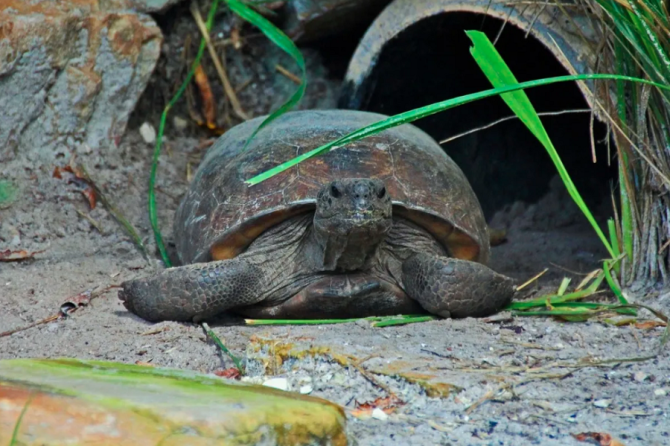
Gopher tortoises matter far beyond their own survival. They dig long, deep burrows, a sort of apartment complex underground, that over 350 other species use to shelter, find refuge from fire, or wait out tough times. If the tortoises disappear, so does that critical housing.
In Florida, every county now protects gopher tortoises under state law. The Florida Fish and Wildlife Conservation Commission (FWC) enforces strict rules: it’s illegal to handle, harm, or even disturb tortoises, their eggs, or their burrows.
Click here for a deeper dive with the Center for Biological Diversity.