
Florida’s gearing up for another sweltering summer and, right on cue, health officials are keeping a close eye on Vibrio vulnificus, bacteria sometimes dubbed “flesh-eating.” Officials had logged five cases across five counties by late May. The first appeared back in March.
This bacterium thrives in warm, brackish coastal waters, places where saltwater and freshwater mix, so Florida’s beaches, rivers, and bays are prime habitats. It’s also found in oysters and other raw shellfish. While infections are rare, they turn dangerous fast. Eating contaminated seafood or letting coastal water touch an open cut puts people at risk.
Most people never get sick from Vibrio vulnificus. Still, when the infection hits, it can escalate quickly, especially for people with liver disease or weakened immune systems, or if they are healing from a wound or tattoo. Symptoms ramp up: diarrhea, vomiting, fever, chills, then painful blisters and fluid leaking from wounds. The bacteria don’t actually “eat” flesh, but they cause serious damage. And they can’t get through healthy skin, so the risk comes with cuts, scrapes, or other breaks.
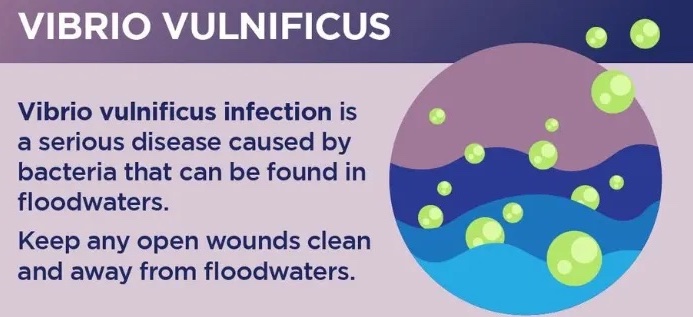
If someone feels sick after eating raw seafood or after getting coastal water on a wound, medical care needs to happen fast.
Florida had 33 cases and five deaths last year. That was down from 82 cases and 19 deaths the year before, when Hurricane Helene flooded communities and turned local waters murky and hazardous. Whenever storms or flooding roll through, conditions for Vibrio’s spread get worse, more mixing of saltwater and freshwater.
Scientists are working to get ahead of the curve. A University of Florida team is pulling together satellite data and water quality reports to create an early warning system, aiming for two or three weeks’ lead time when risk goes up. Over at Louisiana State, researchers are honing in on oysters, reporting they can predict risk conditions nearly three months out.
For now, the advice is basic but vital: skip raw oysters, cook shellfish thoroughly, keep your kitchen clean to prevent cross-contamination, and wash hands and surfaces after handling raw seafood. Anyone with open wounds, healing tattoos, or recent incisions should avoid warm, brackish waters. And if a wound becomes red, swollen, hot, painful, or starts oozing, get it checked out immediately.
Florida health officials expect even more cases as the summer heats up. The bacteria don’t respect state lines, as Connecticut has already reported a case this year.
Stay informed on current advisories by visiting the Florida Department of Health for more information.