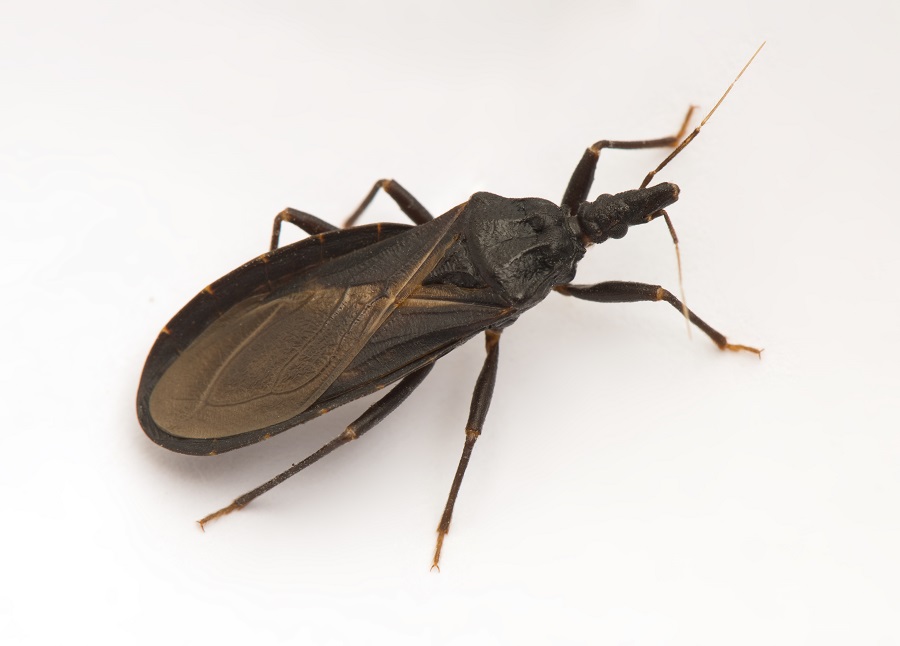
As spring rolls in, most people in Florida brace themselves for the usual lovebug swarms that dirty up cars. But few realize something far more troubling is lurking; kissing bugs, which can do a lot more than ruin your paint job.
Kissing bugs feed on the blood of sleeping mammals, reptiles, and amphibians. The real danger isn’t the bite itself, though. These insects carry a parasite that can quietly cause heart damage and, over time, death.
Recently, attention on kissing bugs has spiked. In September 2025, researchers declared Chagas’ disease, the illness spread by these bugs, as endemic to the U.S. That means cases are popping up regularly now, not just in travelers. Florida carries the third-highest number of cases nationwide.
Many people are unaware that they have an infection. Researchers estimate there are at least 300,000 cases across the country, but the true number is probably much higher. In Florida, Chagas disease isn’t a reportable condition, so even public health officials can’t track it properly.
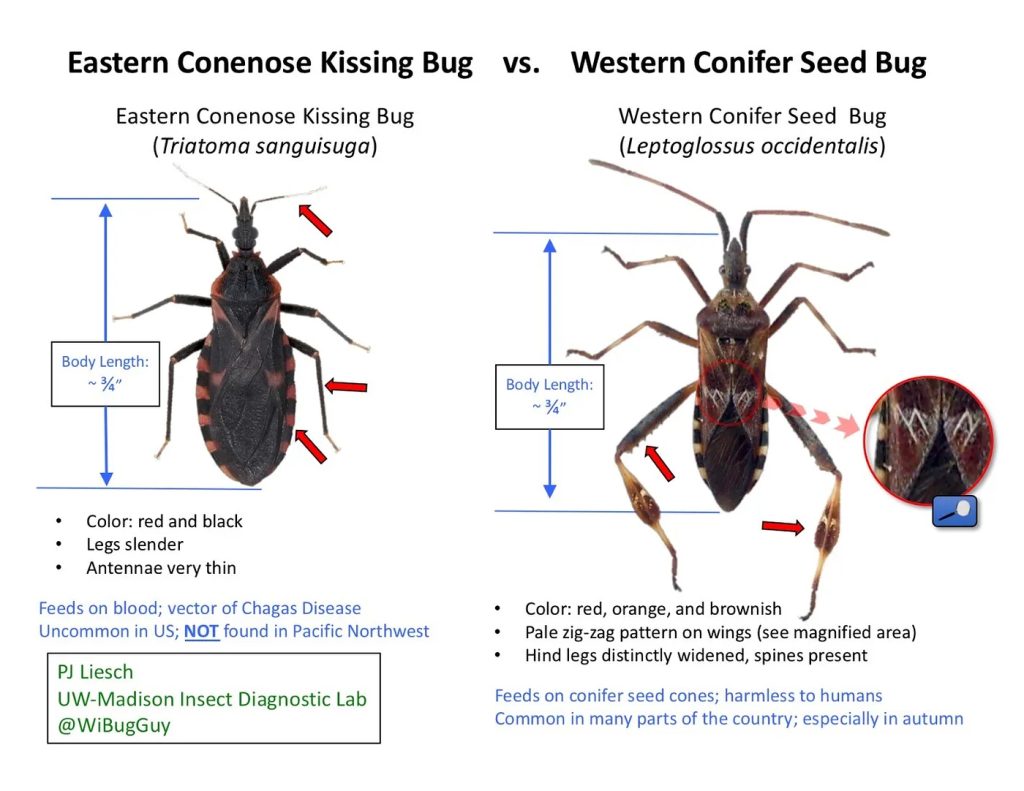
Do Floridians need to worry about kissing bugs? The University of Florida scientists think so. They’re asking residents to keep an eye out for these insects. Look for bugs around 16 to 22 millimeters long, with cone-shaped heads and bright red or orange stripes along the edge of the abdomen.
Right now, one Florida species, Triatoma sanguisuga, is in the part of its life cycle when adults invade homes to lay eggs. These bugs seek blood and mates, and after biting, they leave behind feces. It’s all too easy to scratch near the bite and rub the parasite into your skin without realizing it.
The parasite can also get in through your eyes or mouth. More rarely, a mother can pass it to her baby, and contaminated blood products can also spread the disease. Dogs, cats, and even opossums aren’t safe. Recent studies show pets can get infected if they eat the bugs.
Kissing bugs live throughout the southern U.S., but people have found them in places as far north as Illinois and Pennsylvania. Many people with the disease probably caught it while traveling.
For more information or questions about the Kissing Bug and Chagas Disease, please contact University of Florida at this link.