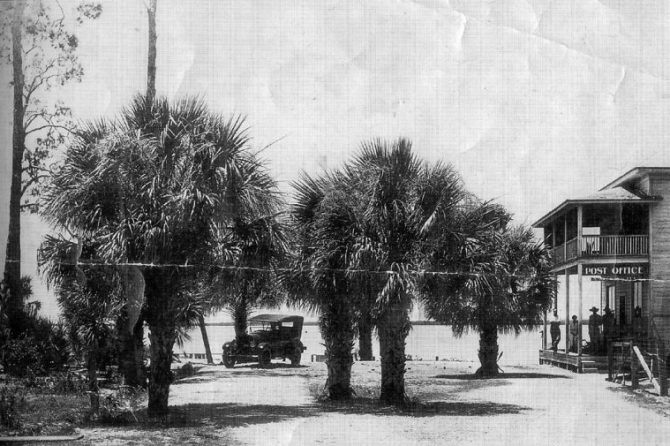
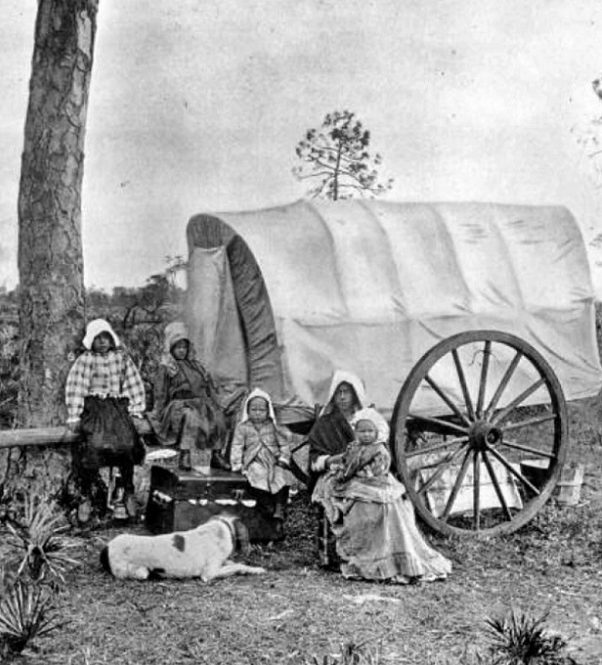
Let’s talk about Pioneer Days and what our earliest Englewood settlers ate. Back then, takeout apps weren’t even a dream. No DoorDash, Uber Eats, fast food, no pizza delivery, just another day-in-the-life on the edge of Florida’s wild coast.
Many pioneers pushed inland, settling places like Winter Park, Orlando, Tallahassee, even Tampa, which sits away from the Gulf. But not everyone wanted to live far from the water. The poorest families in early Florida often landed right along the coast, scraping a living on the barrier islands. They set up rough camps on thin, salty soil, land that could barely support a few crops. These families couldn’t afford a mule, let alone a proper farm.
Everyday survival meant living off whatever they could fish, hunt, or coax out of the ground. Ships passing the Gulf would stop to trade, scooping up winter vegetables, dried fish, and animal pelts for northern markets. When a hurricane hit, saltwater would flood the islands, ruining what little farmland they had. If families ran out of food before the soil healed, they’d just pick up and move on.
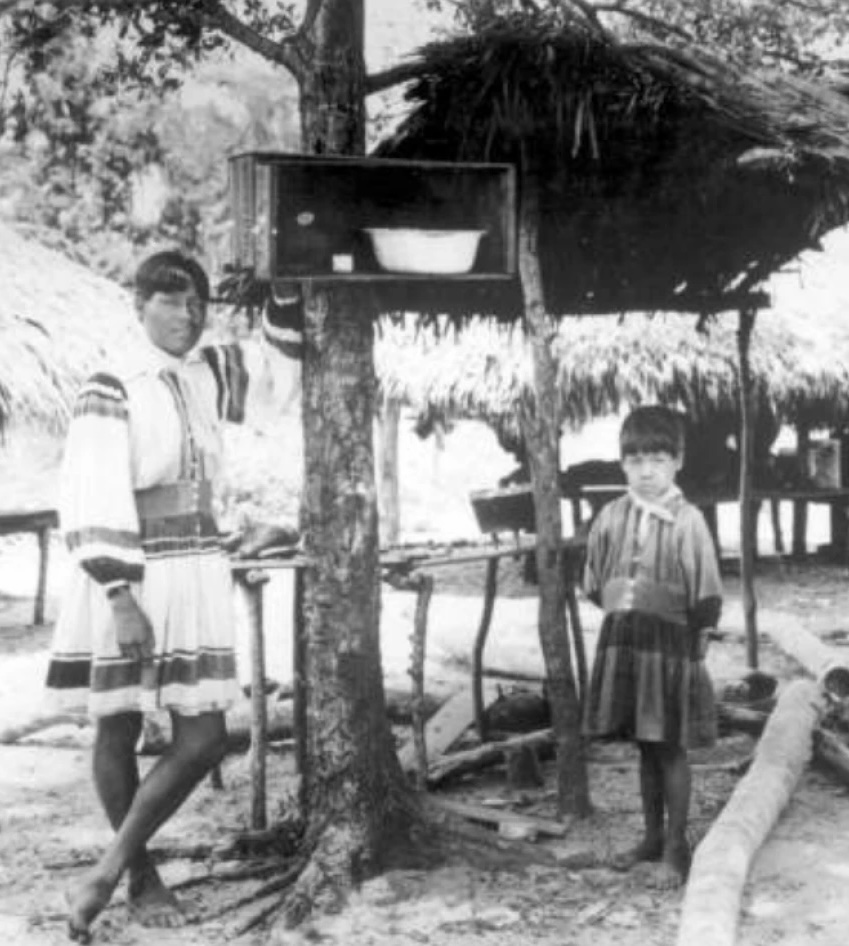
Life around Lemon Bay meant living rough but resourceful. Folks ate what they caught: fish, catfish, oysters out of the bay, wild game, heart of palm, and simple garden crops like sweet potatoes. Cornmeal mush and grits featured heavily, not by choice but by necessity.
If you grew up around here, maybe you remember early mornings spent fishing, then throwing fresh fish over a campfire for lunch or dinner. Back then, entire businesses closed up shop when it was time to fish in the late morning or afternoon. Life revolved around the tides and seasons.
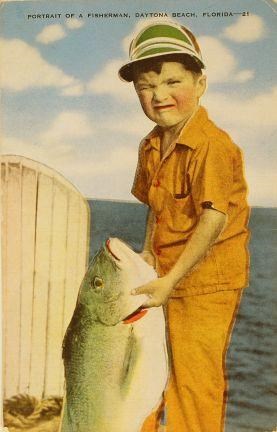
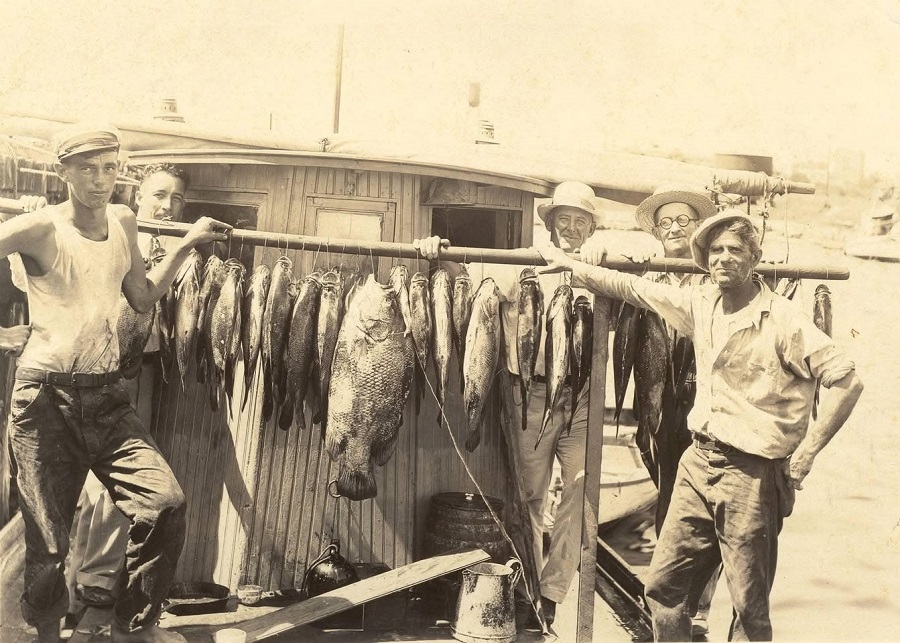
Postcard in the collections of the Museum of Florida History
Life also revolved around the weather, everything from summer rains to heat waves and the constant threat of storms. Kids learned young how to fend for themselves, gathering food from land and sea.
Fish and oysters kept tables full; records from 1898 show hundreds of tons of both leaving the area each year. Settlers turned to shellfish and even turtles, which ended up in stews. Corn was king. People baked cornbread, made big pots of grits, and stretched sacks of beans or salt pork bought from the general store. Fall meant scavenging for hickory nuts and acorns, washing out the bitterness before mixing their bounty into rations.
People hunted deer, wild turkeys, rabbits, and quail. The cabbage palm tree, sabal palm, was a lifeline. They’d cut the tender heart for salads or boil it up with whatever else they’d foraged that day. Old survival foods stick around: swamp cabbage, honey-drizzled fry bread, and the classic breakfast of grits and fish still show up at Gulf Coast barbecues, fish camps, and backyard cookouts.
Local flavors have roots in both Indigenous and pioneer cuisine. They still serve swamp cabbage stewed or boiled. Fry bread, once a necessity, now comes flavored with honey or paired with wild game. Grits with local fish like mullet or catfish are as common now as they were a century ago.
And, of course, seafood still rules the table here. From October to May, everyone cracks open sweet Florida stone crab. Smoked mullet and classic fish dip show up everywhere, from waterfront bars to informal gatherings. Fresh grouper, pan-fried or blackened, is the go-to sandwich at just about every coastal spot. You’ll even find gator tail, battered and fried, a taste that’s survived centuries.
Next time you dig into a platter of fresh-caught fish or a side of grits, remember: you’re part of a tradition as old as Englewood itself.