Talk of development, and the people behind it, has dominated headlines in Florida, especially around Englewood and neighboring areas. Local groups are organizing at the grassroots level, pushing back hard against new projects or, at the very least, demanding transparency of process.
In Manatee County, tensions have escalated. A developer’s lawsuit has put more than $14 million in impact fees on ice, threatening to stall funding for roads, parks, and essential public safety infrastructure.
This legal fight traces back to a decision from June 2025. That’s when the Manatee County Commission voted to spike impact fees, the highest hike allowed under state law. Developers pay these onetime fees to help cover the cost of expanding public services like EMS, law enforcement, highways, parks, recreation centers, and libraries.
Plenty of residents sided with the commission, saying fast-paced development was overwhelming local infrastructure. They pointed to mounting traffic jams, regular flooding, and visible environmental damage. But developers weren’t having it. In their view, the policy unfairly singled out the building industry and would ultimately push up home prices.
“We kind of feel … that you’re punishing the building industry,” said developer and former state lawmaker Patrick Neal at a packed meeting. “We ask that you be careful with what you do.”
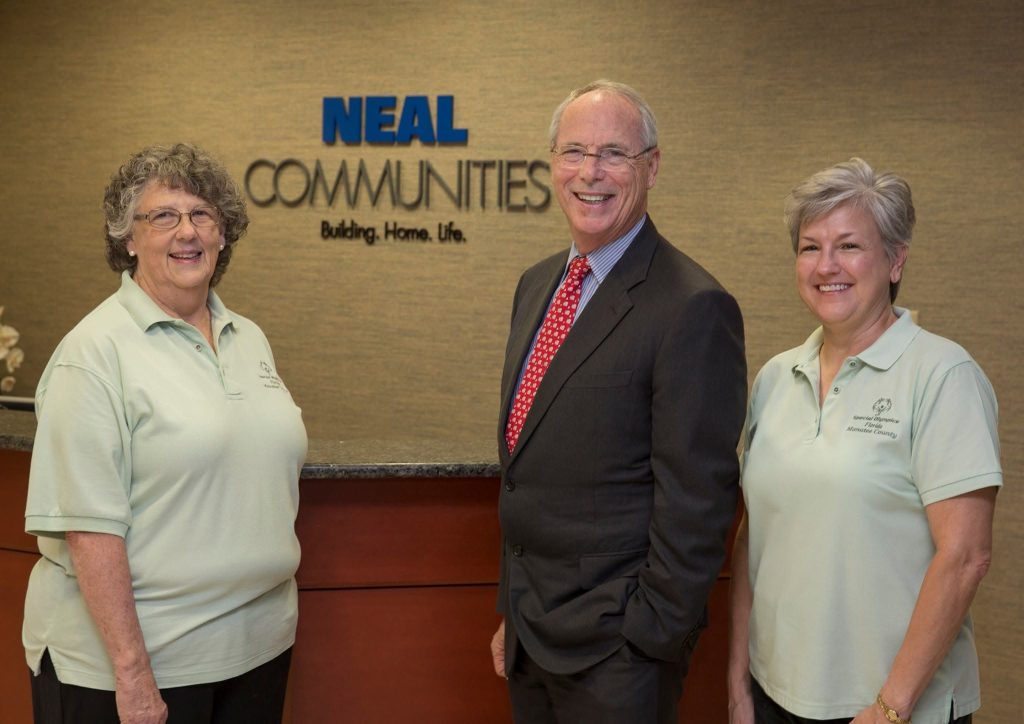
It didn’t end there. A new nonprofit, Freedom Housing Alliance, sued immediately after officials officially approved the higher fees. State records show Neal and several other prominent developers: Carlos Beruff, Jon Mast, and Wilhelm “Willy” Nunn run the group.
Mast, notably, was the same local builder who, through a series of private backroom discussions, convinced county officials in 2023 to slash wetland protections. County commissioners even considered making him county administrator for a brief spell.
“Infrastructure capacity is the result of long-term public planning and investment, and the building and development community should not be held financially or legally responsible—or singled out—for gaps that exist because of government decisions made decades ago,” Mast argued in an interview with the Herald.
Neal later joined the lawsuit individually, and so did Beruff’s company, Aqua One Builder, Inc., hardly newcomers to legal combat over county rules, especially those involving wetlands.
Developers claim the impact fee hike breaks new state law, Senate Bill 180, which prevents cities and counties from tacking on “more restrictive or burdensome” rules after hurricanes.
While the higher fees took effect last September, the lawsuit means the county can’t actually spend the extra money yet. County officials told the Bradenton Herald they’re collecting the funds but stashing them in escrow until the legal drama wraps up.
Records show the frozen cash already exceeds $14 million, most of it tagged for new roads and parks, but also libraries, law enforcement, and public safety projects.
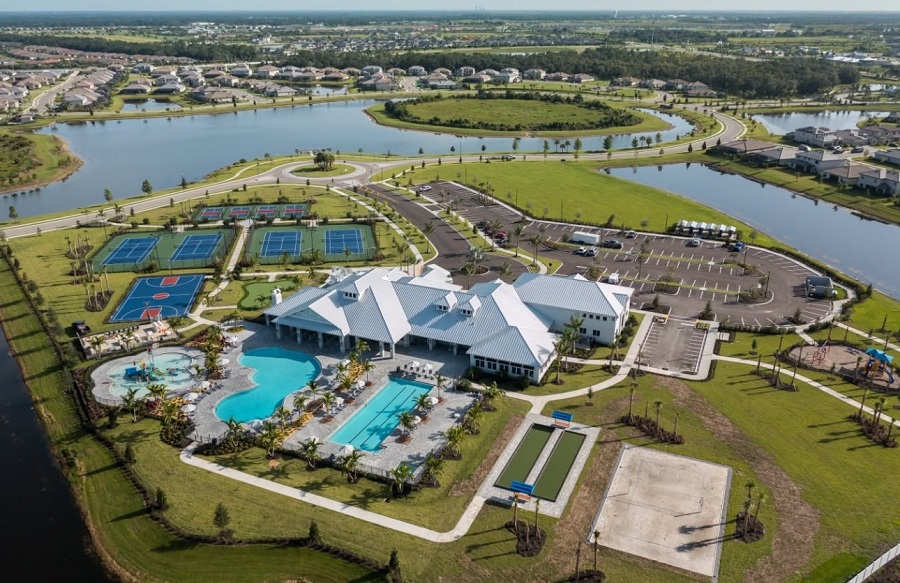
Impact fees have strict rules. The money must fund capital projects that serve new development, with no double-dipping. That means everything from swimming pools and parks to road work and emergency services.
Local projects depending on these fees include the Premier Sports Campus, Parrish Community Park, the Gateway Greenway Trail, and the 44th Avenue East Extension, a host of transportation, public safety, and recreation efforts aimed at keeping up with a growing population.
The stakes are high. With a decision still pending in court, a judge could soon order the county to return some or all of the funds and, maybe, scrap the new fee schedule altogether.
For now, it’s a legal face-off: county versus developers.
Neal notched an early win. A judge froze the fee hike for his companies while the lawsuit moves forward. That said, the judge refused to extend the same relief to Freedom Housing Alliance and Aqua One Builder, neither proved they do business in Manatee County, which the law requires.
There’s a twist. Neal’s injunction isn’t free. He must negotiate the terms with Manatee County, which wants him to post a $16.9 million bond to cover any lost revenue. Neal argued that’s too heavy a burden for just him, or any single developer, and asked the court for a swift final ruling on whether the fee increases are legal at all, instead of holding everything up with a bond negotiation.
Manatee County hasn’t budged. Attorneys argue that the local government has a clear right under state law to set impact fees, especially since a 2025 study described the county as facing “extraordinary circumstances” from explosive population growth.
They also point out that developers don’t foot the bill themselves. Those costs, at least in theory, get passed on to homebuyers.
On procedural grounds, the county got Freedom Housing Alliance’s claims dismissed for lack of standing, but Neal and Aqua One Builder are still in the fight. The county continues to collect the higher fees, but it hasn’t spent a cent of the disputed money. The county states it will comply if the court decides it must refund those fees. A spokesperson said these fees are being held in escrow and are allocated by specific infrastructure categories—parks, roads, public safety. If a ruling were issued requiring their return, they would be prepared to refund the funds to those who paid them.
Meanwhile, a battle over discovery simmers. The county’s trying to force developers to produce actual evidence they’ve suffered financial harm from the new fees, but the developers are fighting that request.
This lawsuit is hardly just about money. It’s the latest front in the deeper conflict between developers and local government over who gets to shape the future as people flood into the area.
Manatee’s fee hike was originally part of a broader set of reforms, after voters in 2024 chose a new county commission majority to pump the brakes on unchecked development. The Florida Legislature, however, had other ideas. With SB 180 in 2025, they blocked local governments statewide from enacting tighter controls on developers and handed builders more power to challenge local rules they didn’t like.
It means that Tallahassee now calls the shots in community planning, sidelining local officials and frustrating residents who want stronger environmental protection and slower growth.
If the courts strike down the impact fee increase, it could erase one of the few significant changes the new Manatee County board has managed since the election, leaving locals with fewer tools, and developers with another victory, as the county grows faster than ever.