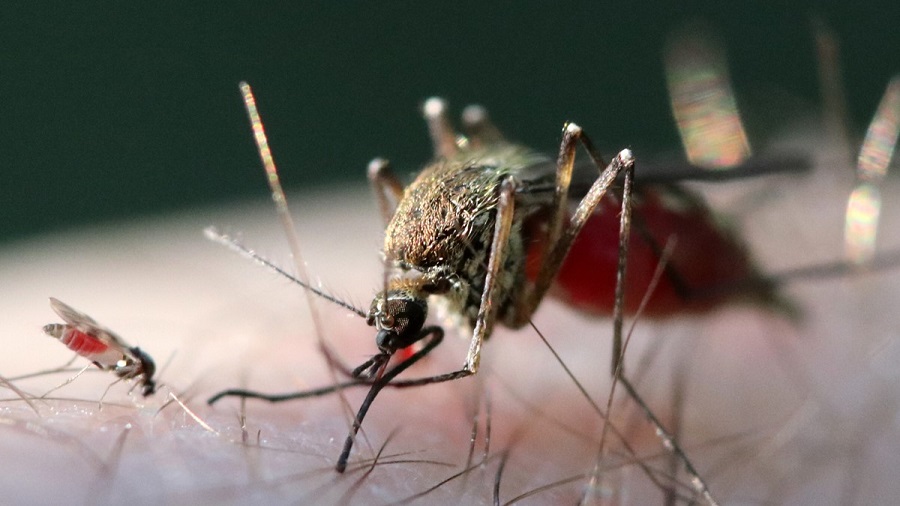
There’s a saying: “If you think you’re too small to make a difference, try spending the night with a mosquito.” But at least you can see a mosquito. Let’s talk about no-see-ums.
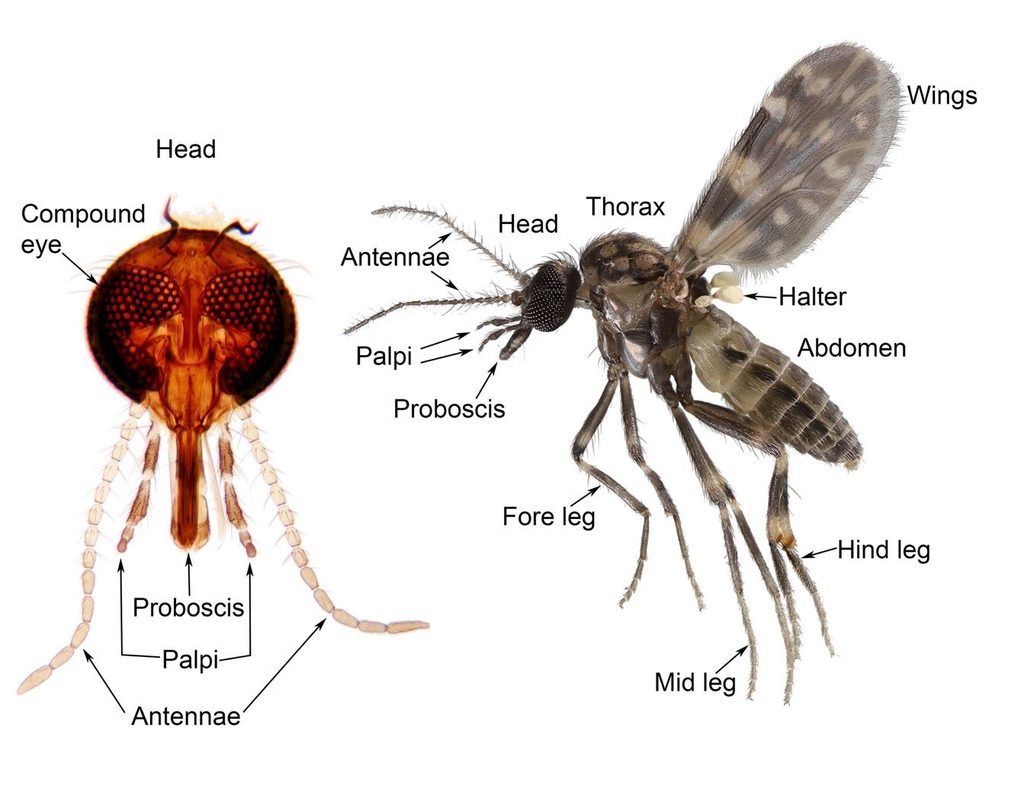
No-see-ums, also called biting midges, sand gnats, or punkies, belong to the Ceratopogonidae family. They’re true flies, lumped into the order Diptera, and their impact on Florida goes way beyond a simple itchy bite.
Over centuries, these tiny creatures have shaped survival strategies, repelled entire colonial attempts, and forced people to invent new ways to cope, both economically and scientifically.
Historical Context and Human Impact
No-see-ums weren’t just a nuisance; they were a force of nature. Florida’s indigenous peoples, including the Calusa and Timucua, learned to endure the constant midge assault. They slathered on thick layers of mud, ate wild garlic, and kept smudge fires burning with green wood and damp plants, all to build a smoky barrier against the onslaught.
When the Spanish arrived in the 16th and 17th centuries, they walked straight into swarms so thick you could barely breathe. These insects didn’t just irritate; they stopped agriculture in its tracks and made building permanent settlements nearly impossible.
People continue to wrestle to this day with the consequences of tampering with Florida’s environment. When Hurricane Ian slammed into the coast in 2022, storm surges washed islands like Sanibel and Marco Island over, turning freshwater marshes salty almost overnight. That brackish water set off a population explosion of no-see-ums, a reminder that these insects thrive when humans disrupt their fragile habitats.
Taxon and Morphological Facts
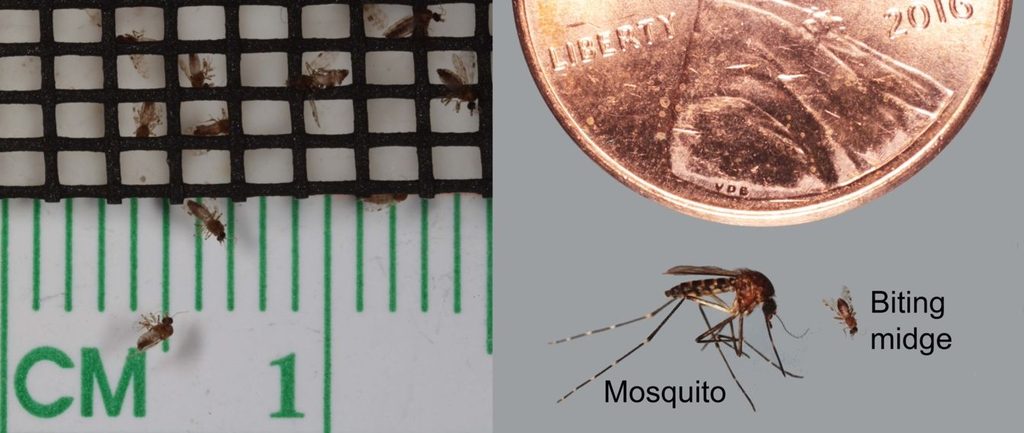
Florida is a hotspot for no-see-um diversity. Out of the 5,000+ Ceratopogonidae species worldwide, Florida alone hosts at least 49 or 50, mostly in the genus Culicoides. Adults barely measure 1 to 3 millimeters. They’re so small they slip right through ordinary window screens, which only work for bigger mosquitoes.
Only female no-see-ums bite; they need the protein in blood to develop eggs. Males (and females in between blood meals) stick to nectar and plant sugars.
Here’s something strange: some non-biting relatives in this group are the main pollinators for cacao. No-see-ums have a hand, or rather a wing, in your chocolate bar.
The Science of the Bite
A mosquito slides a tiny needle into your skin and finishes in seconds. Not so with the no-see-um. The female’s mouth is a vicious set of saw-toothed blades. She lacerates your skin, hacking through to create a small pool of blood. While she’s at it, she squirts out saliva loaded with anticoagulants, keeping your blood from clotting and sparking a strong histamine response. Then she drinks for two to five minutes, and you’re left with a red, raised welt that can itch for weeks. As many of us know, a no-see-um bite sticks around far longer than a typical mosquito bite. That pain is memorable.
Life Cycle and Ecology
No-see-ums undergo a full, four-stage metamorphosis:
Egg—white, sausage-shaped, laid in clutches of 25–450 in damp places.
Larvae—white and legless, they avoid open water and thrive in moist mud, marshes, mangroves, or decaying plant matter.
Pupae—they anchor themselves in wet soil or mud, lying quiet before the final change.
Adults—not strong fliers; wind over 5–7 mph grounds them. They’re worse around dawn and dusk, when humidity is high.
Medical, Veterinary, and Resistance Data
For most people, no-see-ums are an itchy nuisance. For Florida’s wildlife and livestock, they’re a genuine threat. Certain Culicoides species carry Bluetongue virus, which affects sheep and cattle, and Epizootic Hemorrhagic Disease, a killer for the state’s white-tailed deer.
Outside the U.S., no-see-ums transmit nasty things to humans too, like filarial nematodes (Mansonella) and Oropouche virus. Florida keeps a close eye out, since shifts in climate and global travel are raising the stakes on potential outbreaks.
Fighting back isn’t easy. Most sprays and aerial larvicides, which work on mosquitoes, barely touch no-see-ums. Their larvae hide deep inside coastal mud, out of reach. To make matters worse, Florida studies show these midges develop permethrin resistance in just two generations. Chemical solutions are losing the battle fast.
Next time you feel that familiar itch, know it isn’t just an annoyance; it’s history, ecology, and biology, written in red bumps.
Click here for more information about no-see-ums from the CDC.