On July 13, 2026, the Englewood REVIEW reported on illegal mangrove clearing in Cape Coral. There is an update, and it’s costly.
Authorities fined the developers working on the Seven Islands project in Cape Coral $34,000 after they cleared mangroves along the shoreline without a permit. Regulators also ordered them to restore the damaged area. For the next three years, state officials will check the property annually to make sure those efforts are working.
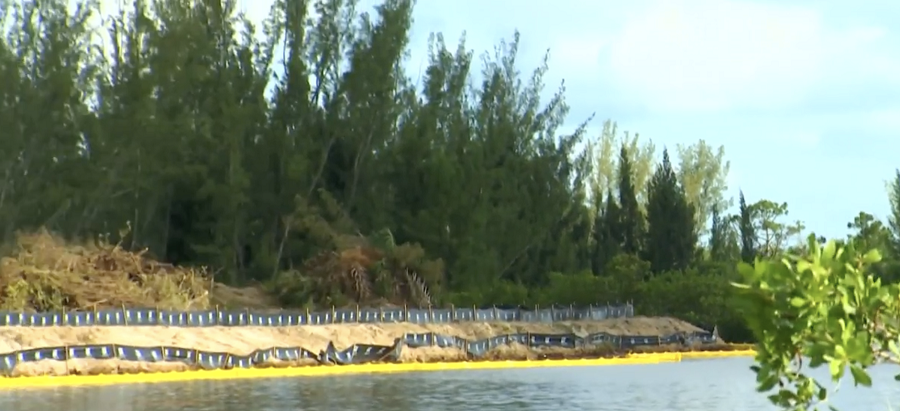
The fines trace back to work on a 47-acre stretch where crews removed over 7,000 square feet of mangroves before they had the legal go-ahead. The developer claimed it was an accident. They told the Fort Myers News-Press & Naples Daily News that they meant to clear invasive species, not protected trees.
Earlier this year, the city sold the property to Gulf Gateway Resort & Marina LLC for $20 million. Plans for the site include nearly 1,000 homes, a 10-story hotel, a 39-slip marina, and 45,000 square feet of commercial space. Regulators halted all work on the land except for the invasive-plant clearing. A few weeks later, the water management district formally imposed the $34,336 penalty.
The Importance of Mangroves
Mangroves aren’t just background greenery. These salt-tolerant trees anchor coastlines, slow down erosion, and filter out sediment and pollution. Lose them, and Cape Coral risks more flooding, dirtier water, and steep costs for environmental fixes.
In July, the developer’s environmental consultant turned in plans to restore the mangroves and stabilize the shoreline. Those plans got the official OK, and the company started bank stabilization work in August. They’re aiming to replant 783 mangroves, and inspectors will check on progress every year for three years. The goal is for at least 80% of the new mangroves to take root. If that doesn’t happen in two years, they’ll have to plant more.
Cape Coral isn’t alone. Across the country, coastal development puts similar pressure on fragile environments. The cost of damages can quickly become expensive. For instance, a New York contractor faced a $121,000 bill for damaging protected wetlands. In Florida, losing seagrass has already wrecked water clarity. Tarpon Springs developers paid $444,000 after years of criticism over riverfront work.
All these stories point in the same direction: we lose mangroves, seagrass, and wetlands at our own peril. Once they’re gone, it takes years of restoration, stricter rules, and a lot of money to get things back on track.