Over the past few decades, Florida has watched its wetlands shrink at an alarming rate. Tens of thousands of acres are gone, carved up for development, drained for agriculture, and paved over for roads and homes. This loss ripples out in every direction. Landscapes change. Water systems shift. Wildlife finds less room to survive. The ecosystem’s balance teeters.
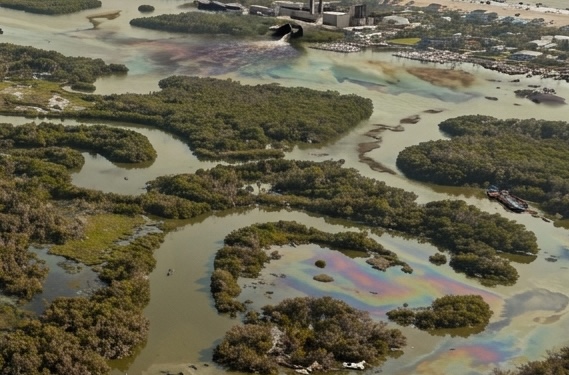
1000 Friends of Florida, a statewide advocacy group, recently hosted a webinar to dig into what wetland loss really means for the state. Julianne Thomas, senior environmental planner for the Conservancy of Southwest Florida, didn’t mince words: wetlands are essential for Florida’s environment. “Wetlands are foundational to human health, water quality, drinking water resources, floodwater protection, fish and wildlife habitats, and resilience against the effects of climate change,” Thomas said. She described wetlands as the state’s kidneys; they soak up nutrients and pollution, stopping them from flowing downstream.
Christina Reichert, an attorney focused on public interest environmental issues, raised another concern. She explained that the Trump administration proposed narrowing which wetlands the Clean Water Act protects. Under the rule, only those wetlands holding surface water throughout the entire wet season and directly connected to a continuously flowing water body would qualify. “In practice, over 80% of Florida’s wetlands would lose their protections under the Clean Water Act—by the government’s own analysis,” Reichert said.
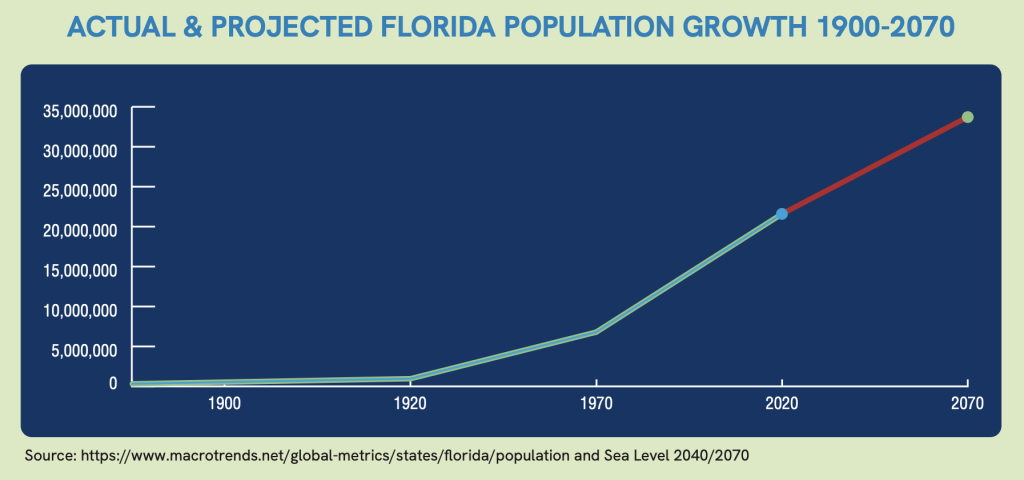
Florida faces massive change on every front. The state’s population has been on a relentless climb, more than doubling since 1980. Today, 21.5 million people call Florida home. By 2070, experts project Florida could swell to nearly 34 million residents, a massive leap forward in just a few decades.
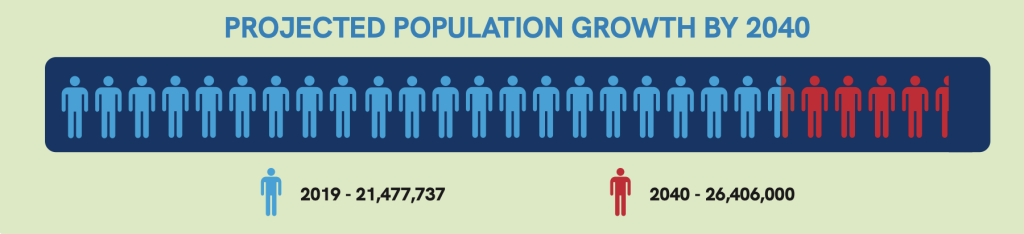
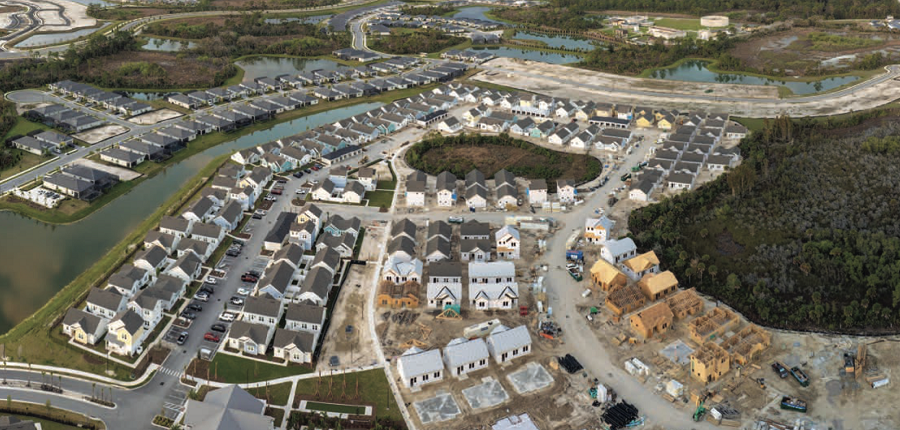
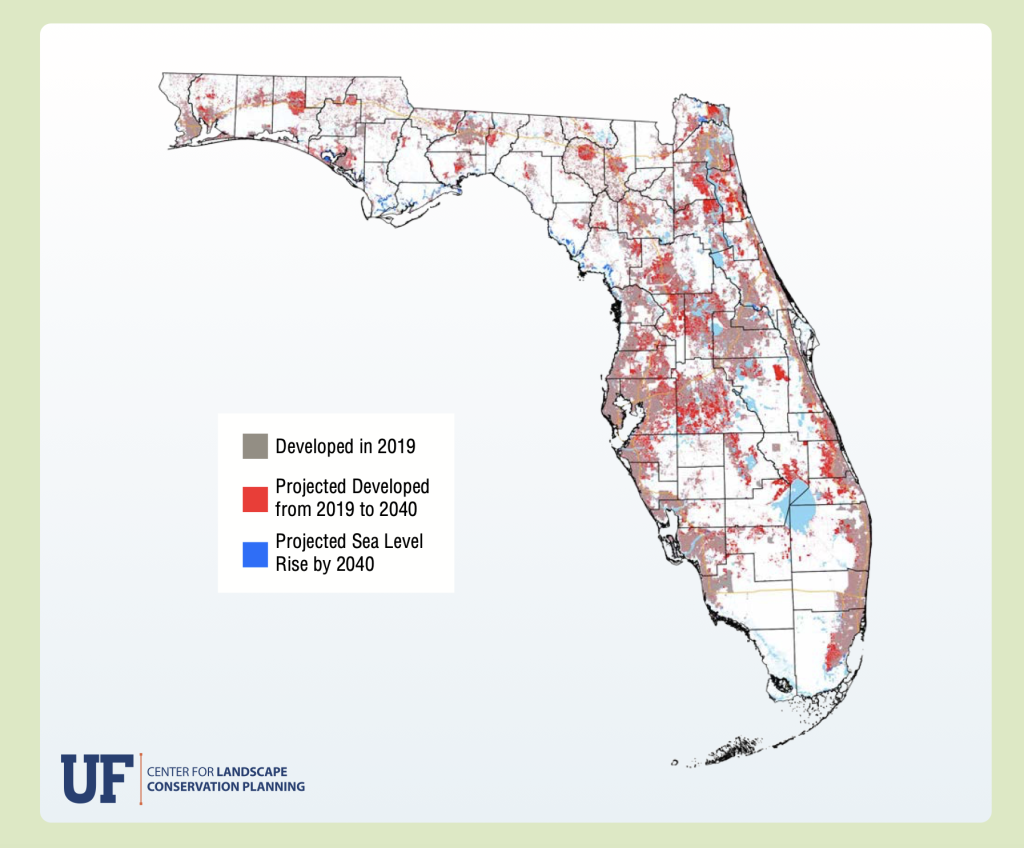
Yet population growth is just one side of the coin. Florida’s infamous sprawl, those low-density suburbs and never-ending developments, eats up land faster than anything else. Each new wave of development pushes deeper into natural and agricultural spaces. If this trend holds, the state could see 3.5 million acres lost to development by 2070. That’s not just numbers; think of 2.2 million acres of farmland and wild spaces paved over, gone for good.
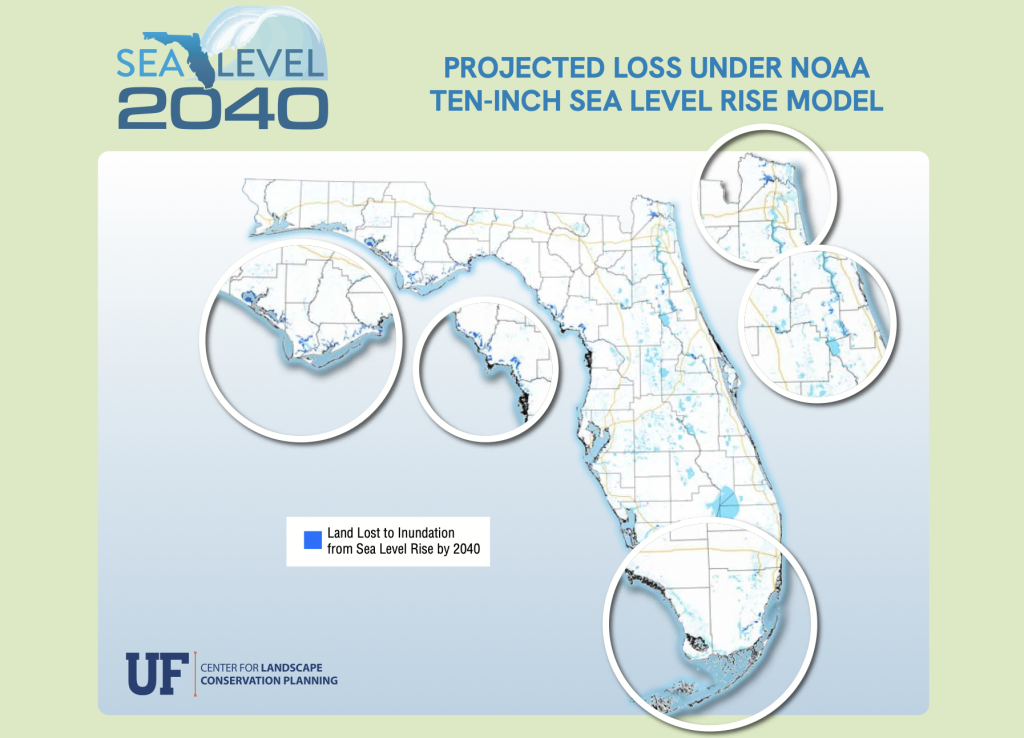
Accelerating sea level rise adds another layer of urgency. Both coasts, and even some inland areas, are already feeling the effects. Homes, businesses, and infrastructure edge closer to the water every year, threatened by the rising tide.

To make sense of all this, the University of Florida’s Center for Landscape Conservation Planning, partnering with 1000 Friends of Florida, created a series of GIS-based studies: Florida’s Rising Seas and Agriculture 2040/2070. These projects map out possible futures, scenarios showing what could happen if current trends continue versus what the state could save by changing course.
Here’s the hopeful part: it’s not too late to turn things around. If Florida moves toward compact development and designates priority natural lands, it could protect up to 1.2 million acres from being bulldozed. It’s not a perfect fix, as there is still potential for big losses, but it shows what’s at stake and what better planning can do.
Florida’s future isn’t set in stone. The direction we go, how we grow, how much we protect, where we build, depends on the choices made now and in the coming years. For more on Florida’s wetlands and efforts to save them, check out 1000fof.org.