Being a lovebug doesn’t sound so bad. They get two mating seasons each year, for starters. Right now, as late September rolls around in Florida, the lovebugs are back, though if you remember the clouds of them from years ago, this season is surprisingly calm. Numbers just aren’t what they used to be.
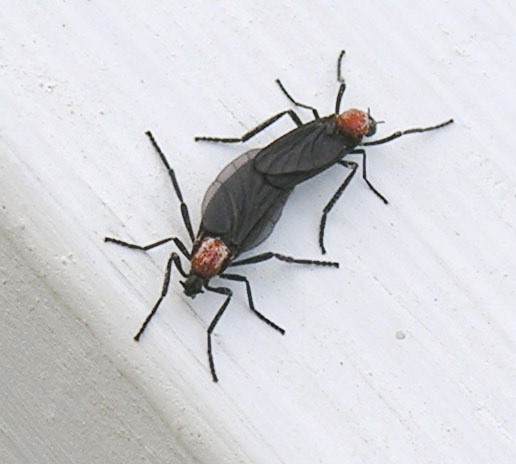
Where exactly are they showing up? Swarms are popping up in Central and South Florida, plus the Panhandle and Emerald Coast, but the northern activity lags the south. This season’s activity scatters because of the historic drought. You’ll spot them most often flying in pairs near highways, sunny fields, or right around homes. Lovebugs love warmth and light, so those spots attract them.
There’s some good news this year. A new update from the University of Florida IFAS points out that lovebugs aren’t the relentless nuisance they once were. Experts say insect populations are down all over the region. Modern swarms just don’t compare with the thick, never-ending one’s Floridians used to dread.
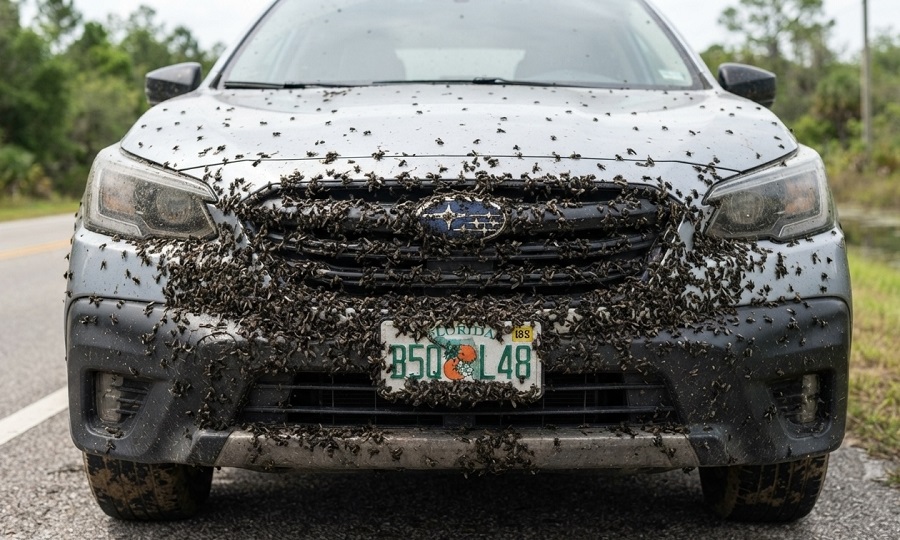
Still, if you drive, you know the drill. Lovebugs splatter all over bumpers and grills, leaving behind sticky residue. Entomologists say it’s smart to wash your car quickly during the season. The remains are acidic and can mess with car paint if you don’t tackle them right away.
For residents who’ve lived here a while, lovebug season is as regular as sticky summer afternoons. The black-and-red bugs, always flying in pairs, return and make a mess of windshields and highways, frustrating drivers year after year.
The populations you see now trace back to the bugs’ larval stage. Lovebugs spend most of their lives as larvae, and whether they thrive depends a lot on how moist their habitat is. More moisture means more survival to adulthood, and that’s why you see occasional outbreaks.
If you’ve driven lately, you know the most obvious aftermath: splattered bugs all over your car. It’s not just the bugs, their eggs, which are light in color, can combine with UV light and do actual damage to your paint if you leave them.
Want a lovebug cleaning tip from a lifelong Floridian? A wet dryer sheet works to rub them off, or just soak and wipe them away.
Dodging lovebugs is difficult. They’re drawn to car exhaust and heat, so you’ll see them clustering on busy highways. At home, you’ve better odds. Run outdoor fans blowing outward, make sure window screens are in good shape, and keep your AC cranking, pressurized air helps keep them out. Most pest-control solutions sold for lovebugs don’t make a dent in their numbers, so don’t waste your money.
Here’s the silver lining: no matter how many splatter your windshield, lovebugs aren’t dangerous. They won’t bite you or your pets; they’re all nuisance and no harm.