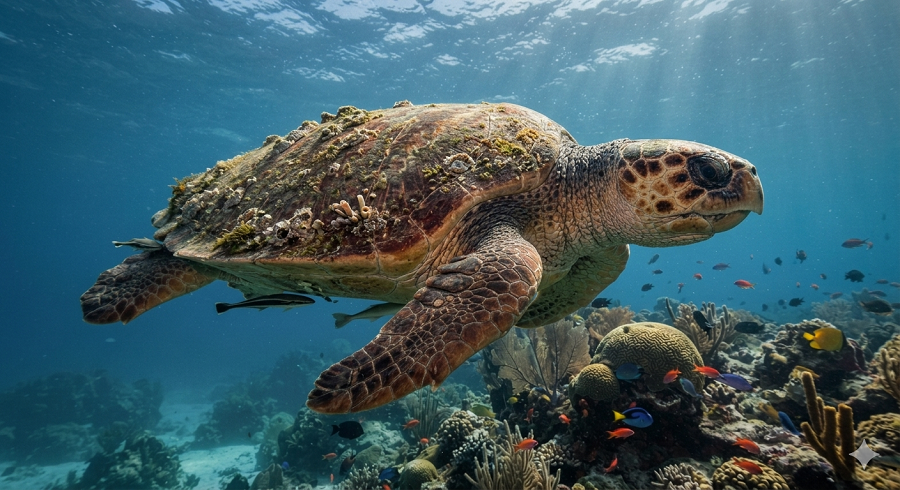
Just two weeks after nesting, Pat Benatar, a well-known loggerhead sea turtle, turned up dead near Captiva Island, Florida. A boat struck her, and the impact left the back half of her body missing.
For the team at the Sanibel-Captiva Conservation Foundation, the loss hit especially hard. Pat wasn’t just another turtle. She earned her name a few years ago (a nod to the 80s rock star) thanks to her powerful personality and the way she stuck around the beaches, often returning to nest and sometimes just to look around before heading back to sea.
The staff had grown attached. Over three years, they’d watched her lay clutch after clutch, returning this May to nest at least once more before her life ended.
Sea turtles live most of their lives dodging danger, but nesting puts them especially at risk. They have to surface for air. They linger in busy, shallow water where boats move fast, sometimes heedless of what might be just below. One strike, and it’s over. Communities that rely on healthy beaches and marine life need responsible boaters; being careful on the water is part of keeping these places alive for everyone.
The death of a single nesting female shifts the odds for the whole species, tipping the scales toward decline. When predators kill adult sea turtles, fewer eggs remain in the sand, fewer baby turtles reach the water, and fewer loggerheads help maintain healthy ocean ecosystems. Pat gave this season at least one more nest, and if her hatchlings break through and make it to open water, her legacy survives, a thread that ties her to the future.
Pat Benatar the turtle isn’t a household name outside the conservation world. Most people never saw her nosing around the surf on Captiva Island. But for those who worked with her, she was unforgettable. The marine turtle team names the animals they get to know, a gesture that marks the bond and the loss when tragedy happens.
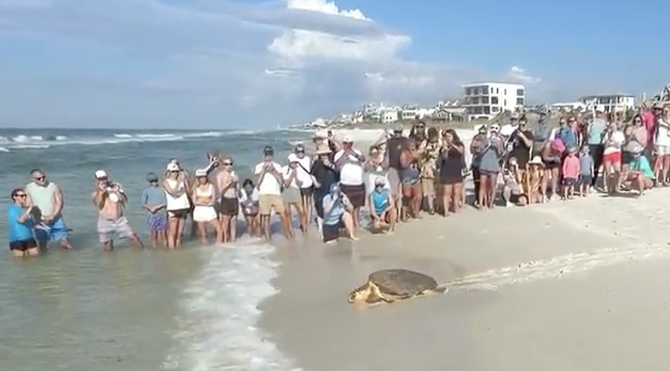
Pat’s story is a reminder. Boating with care doesn’t just matter for the turtles; it matters for anyone who wants to see beaches busy with life, for anyone who wants to keep these intricate, beautiful cycles in motion. Biologists keep watching, welcoming old friends back year after year, knowing that sometimes the stories don’t end the way anyone would hope. Losing one is never easy. But every nest, every hatchling that scrambles to the sea, keeps the possibility of return alive.
Click here for more information about the Sanibel-Captiva Conservation Foundation.