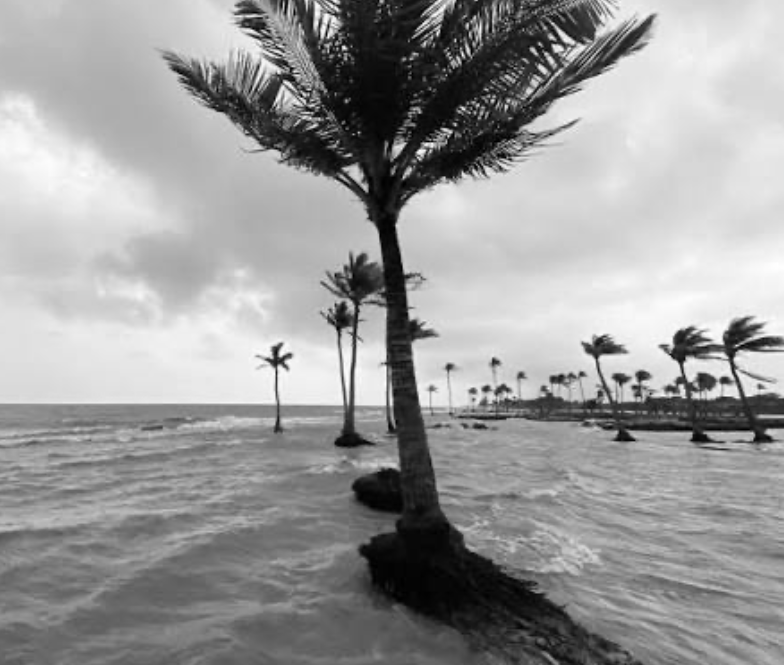
A king tide is the highest tide of the year that you can predict, driven by a cosmic tug-of-war between the sun, the moon, and the Earth. Although most common on the East and South Coast of Florida, along Florida’s Gulf Coast, you’ll notice these dramatic high tides show up a few times a year, mostly in the fall, when the Gulf’s water levels and temperatures really climb.
King tides are more than just a spectacle; they’re an escalating problem in places like Englewood and all along the Gulf Coast. While Southeast Florida cities like Miami grab the spotlight with constant “sunny day flooding” headlines, researchers from Climate Central point out that the Gulf Coast has seen a real jump in high-tide flooding days in the past twenty years.
Why do king tides happen? It starts with astronomy: during a perigean spring tide, the new or full moon lines up perfectly with the sun and swings closest to Earth. That’s when gravity gives us the most dramatic tides. But it’s not just that. Layers of local factors, seasonal winds, warming waters expanding, Gulf currents, all pile on, raising the baseline water level along Florida’s shores.
What happens during a king tide on the Gulf Coast? The most common scene is “sunny day flooding.” Streets, parking lots, docks, you name it, they get a sudden, salty soak, even when skies are clear. This flooding only lasts a few hours around peak tide, but the water can do plenty of damage in that time, especially if rain or storms stack on top. And king tides reveal the weak links in coastal infrastructure, a preview of what rising sea levels will make routine.
Englewood experiences king tides, with the peaks usually in fall, when the moon pulls the hardest. If you want tide charts for Lemon Bay or detailed local predictions, go right to NOAA’s Tides & Currents portal.
For 2026, monitor these high-tide windows:
– September 8–15 (New Moon)
– September 24–October 15 (Full and New Moons)
– October 22–November 12 (peaking around October 27’s full moon)
– November 22–29
– December 22–27
If you live in or visit the Florida Gulf Coast, keep in mind that king tide flooding is saltwater. Salt eats away at anything it touches, especially cars and infrastructure, and it behaves differently from a rainstorm.
Tips for Driving During King Tides:
– Don’t drive through flooded streets. Saltwater destroys engines, fries electronics, and rots your car’s undercarriage.
– If you drive an EV or a golf cart, absolutely avoid saltwater. A flooded battery can trigger a fire—not worth the risk.
– Always move your car to higher ground before the high tide hits. Get it out of low driveways or underground garages.
– If you absolutely must drive through shallow water, go at a crawl. Moving fast creates a bow wave, pushing water deeper into your car—or someone else’s yard.
– If your car gets wet, hose down the undercarriage with fresh water right away to slow down rust and keep your brakes working.
Tips for Living Safely with King Tides:
– Treat all floodwater as contaminated. Saltwater bubbling up through streets and drains carries pollution, chemicals, bacteria, and debris. Don’t let kids or pets wade in, and always wash off with clean water and soap if you touch it.
– Bring in trash and recycling bins right after pickup—otherwise, they’ll float away or clog storm drains.
– Protect at-risk homes and businesses with sandbags, flood panels, or even check valves for your drains to stop tidal water backing up through plumbing.
– Watch your step. Rising tide pressure can pop manhole covers off, creating hidden, dangerous holes below the surface.
– If you’re boating, check bridge clearance. King tides shrink the space under fixed bridges, so consult up-to-date tide charts before you go out.
King tides aren’t avoidable, but a little preparation keeps you, your car, and your property safer, and reminds us of what a changing coastline really looks like.