
A burrowing owl landed in trouble after it got stuck in a glue trap and ended up at the Clinic for the Rehabilitation of Wildlife (CROW). The sticky mess covered its wings, feet, and feathers, leaving it completely helpless.
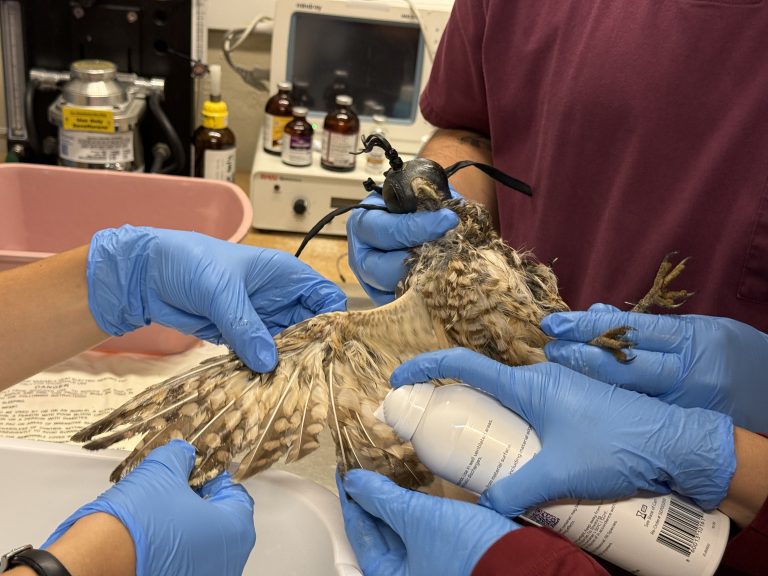
CROW’s team got to work right away. They sedated the owl, just to make sure it stayed calm and comfortable. Then came the tough part, getting rid of all that glue. It’s not just a matter of peeling the bird off the trap; the glue stays stuck. Staff used non-toxic removers like Ease-Off to take care of the biggest globs first. Afterward, they bathed the owl in warm, soapy water, and when it dried, they dusted it with a layer of chinchilla dust to soak up whatever glue still lingered. This wasn’t a one-and-done deal. For days, the team repeated the process, gently working to clean every feather.
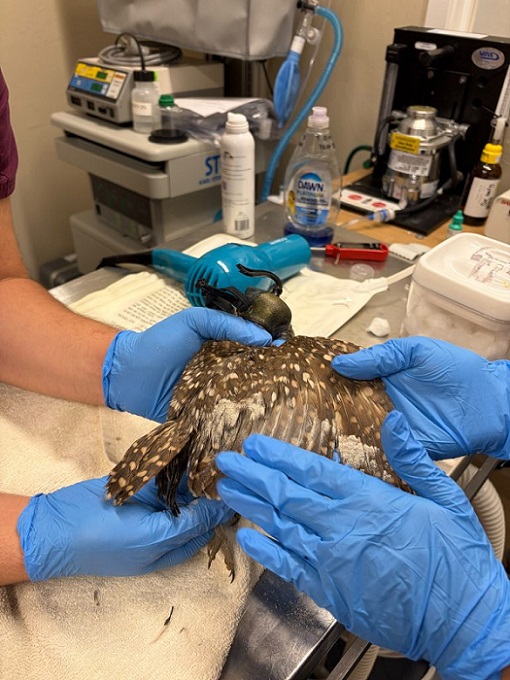
Throughout all this, the owl showed remarkable resilience. The veterinary and wildlife care teams kept a close eye, taking their time so the bird could heal. The glue eventually disappeared from its chest and wings. Thankfully, this little owl avoided any broken bones or torn skin, injuries CROW often sees in patients pulled from glue traps.
Before giving it the green light to head back outside, the team watched the owl closely. It was lively, alert, and proved it could fly strong and steady during its final rehabilitation. After CROW confirmed its feathers looked good as new, they released the now-healthy bird back into the wild near the spot of its discovery.

Burrowing owls are one of Florida’s smallest native owls, just about nine inches long with a wingspan that can reach 21 inches. They prefer open spaces and often nest in burrows close to the ground. Unlike most owls, they’re active during the day, especially in their breeding season, and you are most likely to spot them in more developed areas. Florida protects these owls by law because their numbers are under threat.
Unfortunately, glue traps pose a real danger to wildlife in these habitats. Birds and other animals caught up in them can suffer broken bones, torn skin, destroyed feathers, and, without immediate help, a slow, painful death. Owls and snakes seem especially at risk, since they hunt where rodents run.
CROW urges everyone to use humane alternatives like live-capture traps or other pest deterrents. Glue traps aren’t just inhumane. They draw out the suffering. The rescued owl’s story stands as a reminder: with a little thought, we can keep wildlife safe from avoidable harm.
Click here for more information about CROW.