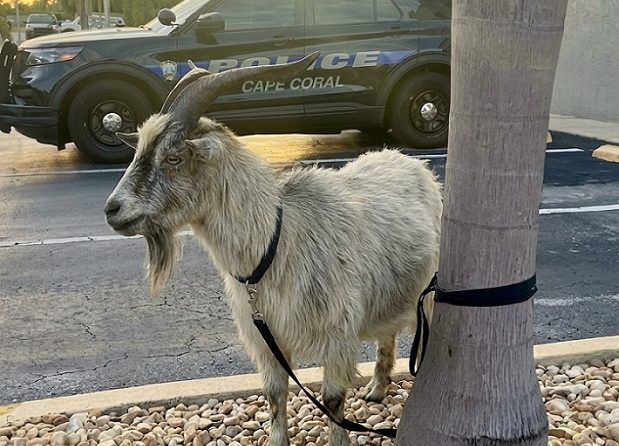
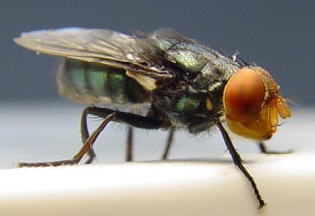
Florida moved quickly this week, rolling out emergency restrictions after the flesh-eating New World screwworm turned up in Texas for the first time since the 1960s. This parasite, which the nation wiped out in 1966, has now appeared in a handful of cases: three calves and a goat in Texas, plus a dog from Lea County, New Mexico. Texas Governor Greg Abbott responded by declaring a state of disaster, while President Trump tapped Texas A&M Regent John Bellinger as his senior adviser for screwworm preparedness.
The fallout didn’t stop there, as Canada’s Food Inspection Agency has now banned livestock imports from the affected U.S. regions. Meanwhile, Florida’s emergency rules demand veterinary inspections and paperwork for any animals arriving from those areas.
The Florida Department of Agriculture and Consumer Services quickly responded. On Friday, the agency announced new rules to keep the screwworm at bay, temporarily blocking all warm-blooded animals from infested regions until at least June 10. After that, any animals coming in will need to be certified by Florida officials two days before they arrive and have a veterinary inspection within five days of transport.
If animals arrive at the state border from high-risk zones without the correct paperwork, authorities will quarantine them and fine their suppliers. No exceptions. Any livestock from infested areas simply won’t get in.
“We need everyone onboard—government, ranchers, and the public—if we’re going to fight this thing,” Agriculture Commissioner Wilton Simpson said on X.
The New World screwworm is a fly whose larvae feed on the living flesh of warm-blooded animals after hatching from eggs deposited in wounds. Eradicated decades ago, it recently slipped back into the U.S., first showing up in Texas in a calf. It has spread north from Central America and Mexico, with only a minor outbreak in the Florida Keys back in 2017.
It’s a nightmare for livestock, but experts point out: this isn’t a food safety risk. Screwworms don’t affect the quality of beef, and the USDA says you can’t get the parasite from meat, poultry, or dairy products.
For Florida’s ranchers, though, an outbreak would hurt. Florida has around 1.5 million cattle, and cattle and dairy sales topped $2 billion in 2022. Ranchers are now under pressure to check their herds for any signs of the pest.
“We have to stay vigilant,” said representative Ken Durden, urging ranchers to inspect livestock, report infestations, and quarantine and treat affected animals fast to keep business running as usual. Yet, he reassured, “No one should panic.”
In fact, Florida ranchers have seen this kind of threat on the horizon. The Florida Cattlemen’s Association, together with the Florida Farm Bureau and state agriculture officials, has been preparing a plan for over a year. According to Durden, they’re ready to act, and the state’s in solid shape to respond.