Animals aren’t so different from us in needing a little extra help to heal. At ZooTampa in Florida, staff veterinarian Alex Mason has been using acupuncture to care for some of the zoo’s most challenging cases: a manatee named Sloth, a black-bellied whistling duck called Earl Grey, and a tiny roseate spoonbill chick.
Acupuncture, as defined by the Mayo Clinic, means inserting very fine needles at targeted spots on the skin, usually to ease pain. But Mason applies this technique in a way adapted to animals dealing with complex medical needs. In a recent interview with Popular Science, he said, acupuncture “can help kick-start healing by improving blood flow and pushing stem cells where they’re needed. It gets the body to release pain-easing chemicals—endorphins and serotonin—and even prompts the nerves to get back to work.” It’s not a replacement for standard treatments. Instead, Mason uses acupuncture alongside regular medical care, physical therapy, and other approaches, especially when animal comfort, movement, or healing are hard to manage with standard veterinary tools alone.
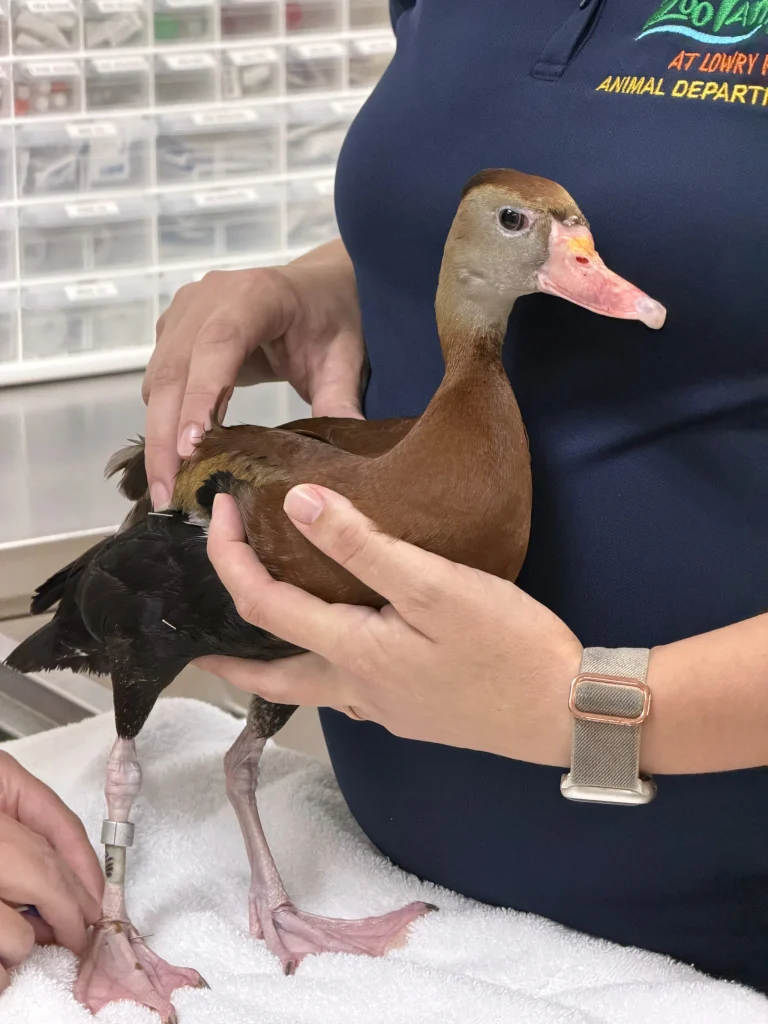
Take Earl Grey, the zoo’s 14-year-old whistling duck. After being struck with weakness in his right leg, he went through three sessions of electroacupuncture (a version that uses a mild electrical current for a stronger effect). His caretakers saw him regain function, which, frankly, feels like a win. The same goes for the roseate spoonbill chick: a leg injury, a round of electroacupuncture, and soon enough, that chick was walking normally again.
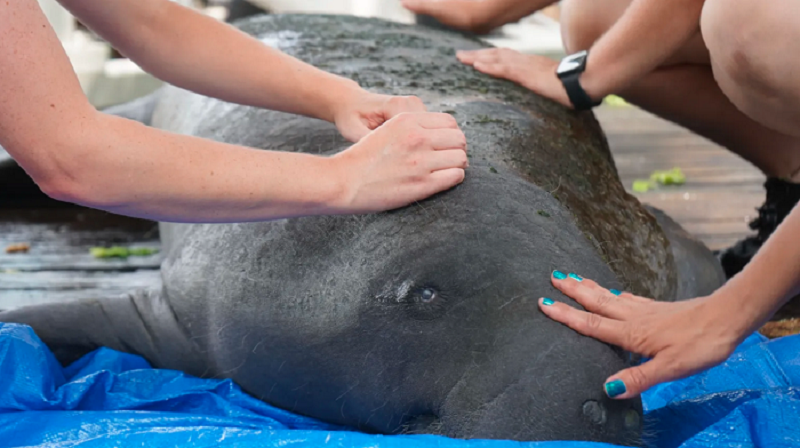
Then there’s Sloth, the manatee, whose facial nerve injury makes it difficult for him to use one nostril and one eye. Traditional treatments offered little hope, so Mason tried both regular acupuncture and electroacupuncture. Sloth showed some mild improvement, no miracle, but for nerve injuries that rarely budge, it’s progress.
They place tiny needles at carefully chosen points, customized for each animal and its needs. Sometimes, they add an electric current for a bigger impact. The goal is to give these patients another shot at comfort, healing, and as normal a life as possible, even when standard veterinary medicine runs out of options.