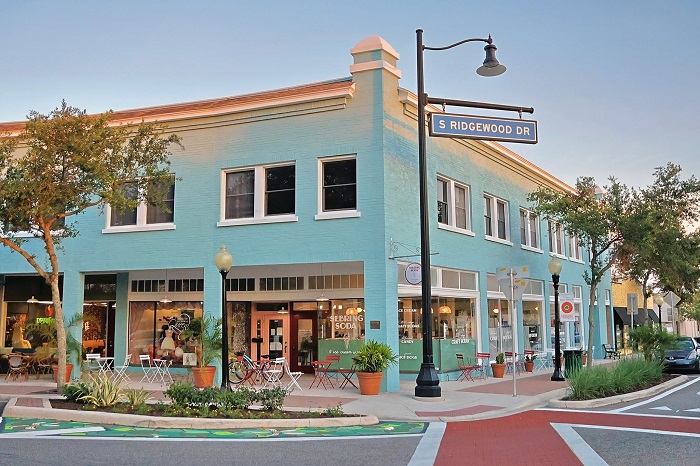
Florida’s map of population growth is shifting right under our feet, and it’s easy to see why. People are leaving the coastlines behind, dodging hurricanes, skyrocketing home insurance, and the stress of constant storm prep. Where are they headed? Increasingly, they’re finding new homes in quiet places like Sebring, tucked away in the heart of the peninsula.
Drive into Sebring, and you’re greeted by rows of citrus trees and that unmistakable “Old Florida” look: bunting swinging from a white gazebo at the town’s center, brick buildings casting enormous shadows, keeping folks cool. It’s peaceful here, a world away from the chaos and noise of Florida’s coastal cities. But that quiet, it’s fading fast.
Sebring and other towns built on what used to be citrus groves and cattle land are seeing a boom like never before. The reason’s simple: people are escaping coastal risk. Houses are more affordable, and the insurance shockwaves blasting the state’s beach towns just aren’t as brutal in these inland spots.
According to real estate experts, Sebring is on the cusp of exploding. They see the waves of people coming in, drawn by cheaper homes, pushed by storms and pain-in-the-neck insurance rates.
Look at Highlands County, where Sebring sits. From 2010 to 2020, only 2,500 new faces moved in. But in just half this decade, that’s jumped to 10,000. It’s the same story across inland Florida, from Hendry County up through Lake, Marion, and Sumter. Developers have plowed under farm fields for subdivisions and sprawling retail boxes in Polk County. Polk drew more new residents in 2023 than anywhere else in the U.S.
Hendry County barely grew last decade, but since 2020, the population’s shot up nearly 20 percent. Marion and Sumter, places where people used to keep horses and cattle, have seen a similar surge. Of Florida’s 20 fastest-growing cities since 2020, 15 are now inland, according to University of Florida data.
This shift has reshaped what these towns look like: richer, younger, and more diverse, with families popping up everywhere. Census numbers tell the story: places like Sebring have doubled the share of families earning more than $200,000 a year. Households with children are rising fast.
Meanwhile, Florida’s most hurricane-prone counties are losing people. Hillsborough County (think Tampa) lost over 15,000 residents the year two hurricanes slammed the region. Pinellas, home to St. Pete, shed over 9,000. Miami-Dade has watched 278,000 people leave since 2020, and Broward isn’t far behind. If it weren’t for arrivals from Venezuela, Haiti, and other places, as well as more births than deaths, those population sinks would look steeper.
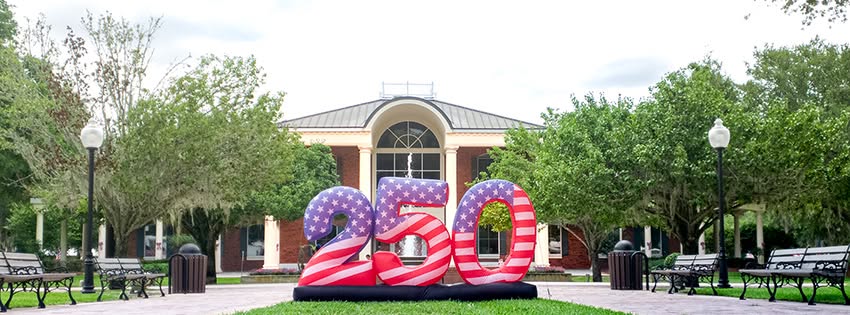
Wildwood in Sumter County tells its own story: the city tripled in size in just five years, expecting to spend $150 million on new infrastructure just to keep up. City manager Jason McHugh puts it plainly: “Hurricanes drove people inland. The housing is cheaper. It’s a no-brainer for a lot of folks.” In Wildwood, a house goes for $300,000, a steal compared to homes in Miami, often topping $580,000.
Florida’s population story wasn’t always like this. The state’s growth marched south over the last century, thanks to railroads cutting through swamps, real estate booms, and air conditioning. By 2020, three-quarters of Floridians lived on the coast. Now, as policy after policy piles onto homeowners and insurers bolt from the market, more people are rethinking where they want to put down roots.
Tampa, Jacksonville, and Miami will see insurance premiums surge over 200 percent in the next 30 years, experiencing the nation’s highest projected increases. The counties primed for the fastest growth as we look toward 2050 are mostly in central and northeast Florida.
The main driver for moving inland is cost, especially for housing and insurance. But climate change hovers over all of it, and experts say the inland rush will only speed up. By 2100, South Florida could lose 2.5 million people because of rising seas, while communities like Orlando and The Villages could add nearly half a million, according to projections.