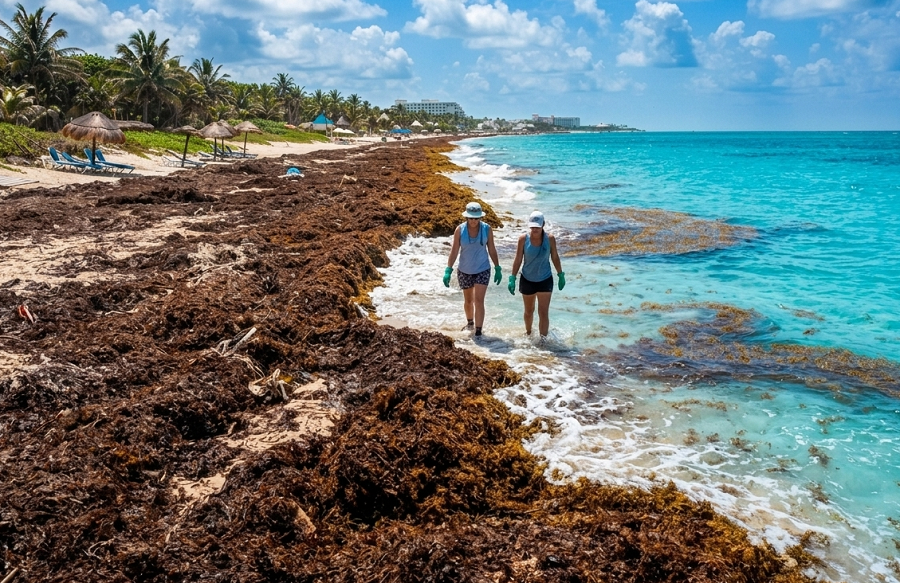
Sargassum keeps making headlines, and for good reason. This sticky, prickly seaweed is swamping beaches from the Caribbean to Mexico, turning coastlines into brown carpets that smell like rotten eggs and chase away tourists.
The numbers from this summer are staggering. According to the University of South Florida’s Optical Oceanography Lab, sargassum in the Atlantic, Caribbean, and Gulf hit 27 million metric tons in July. That’s a jaw-dropping volume, and the Gulf alone saw 5 million metric tons in June, almost double last year’s record. Unsurprisingly, the seaweed is fouling beaches and hitting tourism hard.
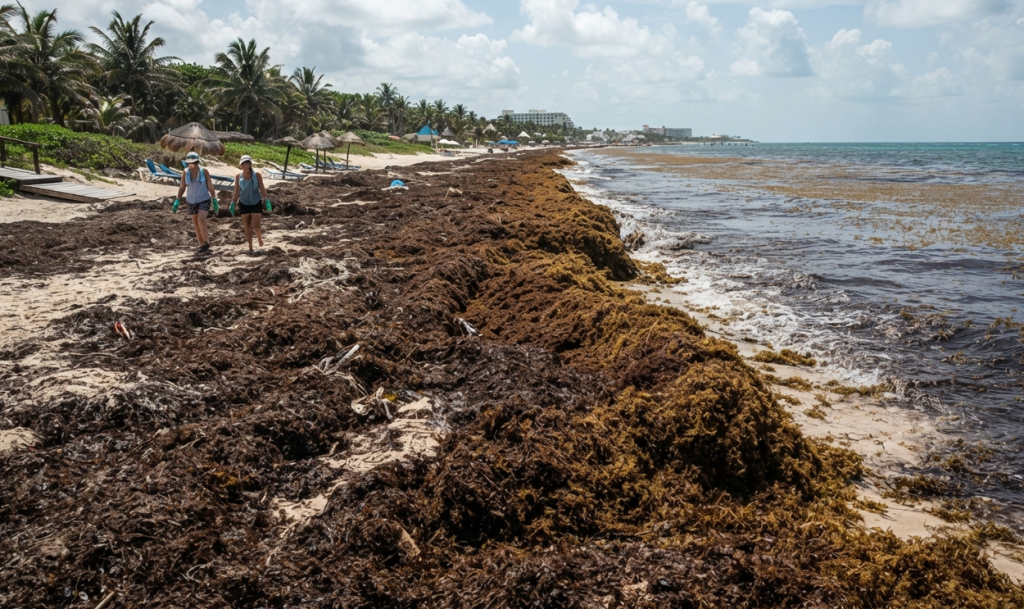
Communities are used to some sargassum washing in with ocean currents, but scientists have now seen massive blooms starting and growing right in the Caribbean and Gulf of Mexico, something new and alarming.
The Great Atlantic Sargassum Belt, first noticed in 2011, keeps expanding, fueled by agricultural runoff, warmer waters, and shifts in currents, wind, and rainfall. Last year’s record was a whopping 40 million metric tons, and this year, the seaweed started blooming even earlier. In some regions, the 2025 bloom was so dense it barely left, sparking fresh growth right on the spot.
These relentless sargassum waves aren’t just distasteful; they’re a mess for local economies. Mexico’s government announced a $115 million effort to deal with the algae, though even with these resources, they’re able to clear only about 1,200 tons a day from the Caribbean’s beaches. Some days, 9,000 tons wash ashore. Stretches like La Parguera are buried under sargassum, and Puerto Rico has suffered particularly badly. The influx last year forced the governor to declare a state of emergency when the seaweed broke previous records.
Sargassum isn’t just a one-off problem anymore; it has become a chronic hazard. While floating sargassum in the open ocean gives turtles, fish, and seabirds a place to thrive, the story changes once it piles up near coastlines. It lowers oxygen levels in the water, suffocates mangrove roots, blocks sunlight for coral and seagrass, and even traps sea turtle hatchlings. Ironically, removing it with heavy equipment can destroy fragile turtle nests, which only adds to the damage.
Residents of the U.S. Virgin Islands sometimes have to walk up to 25 feet over thick mats of seaweed just to reach the water. The pervasive smell of hydrogen sulfide and ammonia, the familiar rotten egg stench, can cause headaches, nausea, and breathing problems. The EPA isn’t sugarcoating it: these fumes can make people seriously sick.
Meanwhile, recent research from USF and NOAA, using artificial intelligence, found that from 2003 to 2022, big blooms of macro-algae like sargassum increased by over 13% each year in the tropical Atlantic and Western Pacific. Over time, these blooms have covered as much as 16.9 million square miles, an area bigger than the entire continent of North America.
Sargassum isn’t going away. It’s a growing, stinking, and expensive mess, and it’s changing life along these coastlines.